Thank you for signing up to our newsletter
- ABTA protected & ATOL bonded
- Part of Hays Independence Group
- 100% Privacy Guaranteed

If China has been sitting on your “one day” list, I understand why it’s suddenly moved to the top again.
For many UK travellers, one of the biggest hurdles has eased, because visa-free entry is currently available for ordinary UK passport holders for short stays. Entry requirements do change, and there are always exceptions depending on your circumstances, so I check the latest position for you as part of planning.
What this change does is remove a big piece of friction at the start. What it doesn’t do is make China a destination I would ever recommend improvising, especially on a first trip.
China is one of the most rewarding countries you can visit, but it’s also a place where structure matters. Distances are big, touring days can be full, and decisions that look harmless when you’re planning, like staying in the wrong area or squeezing in one extra stop, have a habit of costing you time and energy every single day.
I’m Bridget, and China is exactly the kind of trip I love to plan, because good routing and good hotel choices make the difference between a holiday that runs like clockwork, and one where you feel as if you’re constantly catching up. My goal is simple: you come home glowing, not flattened.
If you’d like to get a feel for how I work, start here: Why book with me.
.png)
Most first-time China travellers want the same outcome, even if they describe it differently. You want the big sights, you want your days to make sense, and you want to feel confident that someone has thought through the practical details so you can relax into the experience.
So when I plan China, I’m always looking at three things together.
If you’re newer to tailor-made travel, this explains what it means in practice: Tailor-made travel.
For most first trips, the backbone that works best is Beijing, Xi’an, Shanghai.
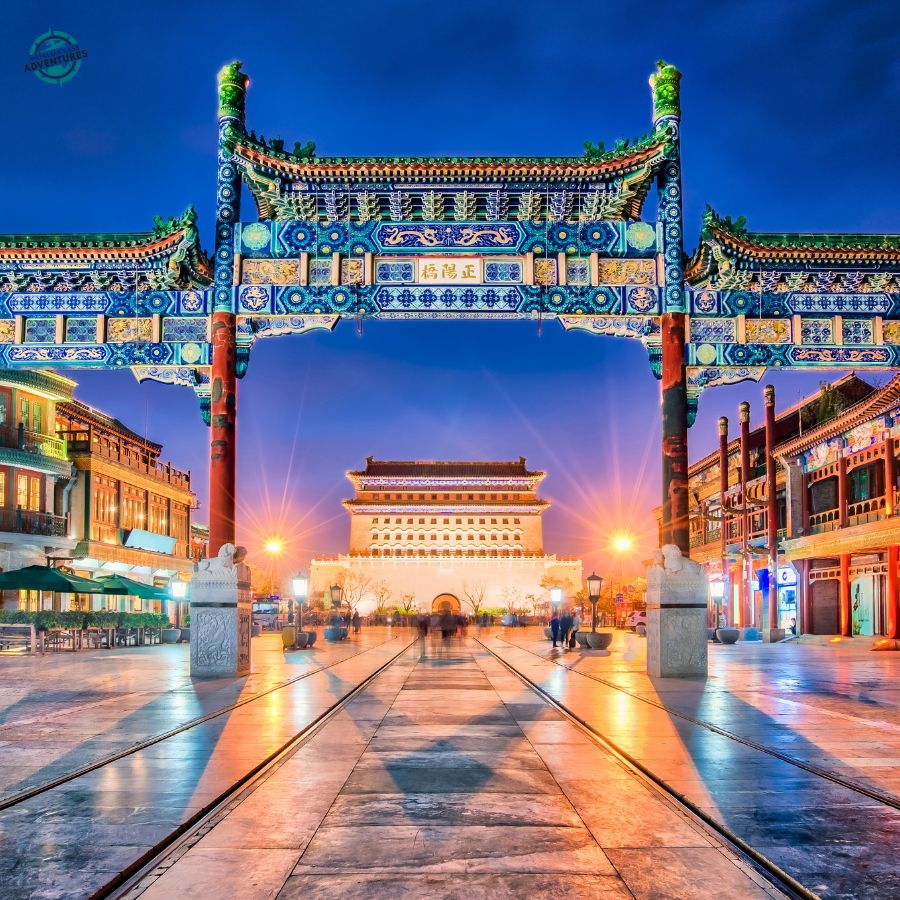
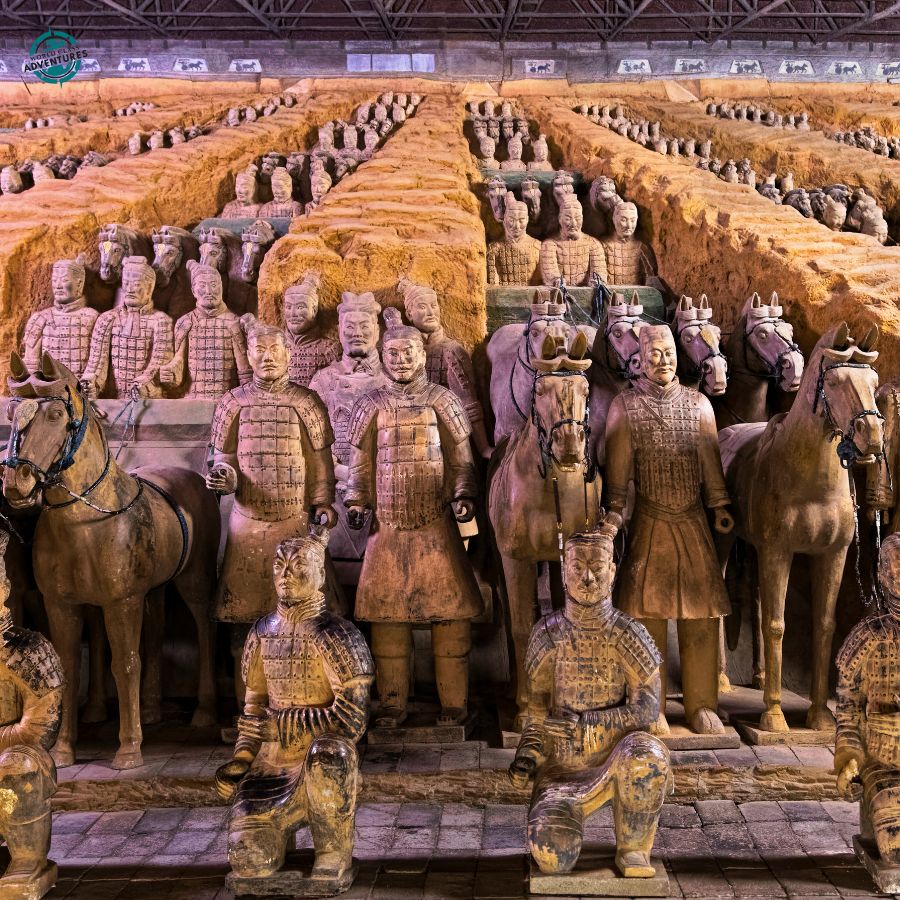
It’s the route I come back to again and again because it gives you a clear story to the trip, it avoids awkward zigzags, and it delivers contrast without turning your holiday into a transport schedule.
Beijing, when it’s paced well, is a brilliant start. Beijing is where China’s history lands with real force, and it’s also where timing and sequencing matter most. The Great Wall is one of those days that can be extraordinary or exhausting depending on how it’s planned, and I want you coming back with that slightly stunned feeling of “I can’t believe I’m here”, rather than feeling as if you’ve had to battle your way through it.
Xi’an is the midpoint that makes sense. It’s the natural base for the Terracotta Warriors, but it’s also where a well-chosen hotel location can give you your evenings back. That matters more than people expect, especially after a big Beijing start, because a straightforward evening, in the right area, can reset your energy for the next chapter.
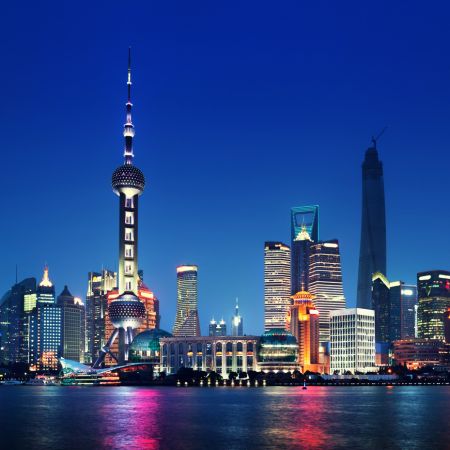
Shanghai is a strong finish for a first trip. Shanghai gives you modern China, a different pace, and some genuinely excellent hotels, which is exactly what you want at the end of a trip with big touring days. It’s a finish that lifts the whole itinerary.
A 10 day China itinerary can be fantastic, but it has to be edited with discipline.
This is not the trip where you squeeze in every place you’ve ever bookmarked, because the cost is always paid in transfer days, late nights, and a sense that you’re constantly packing up and starting again.
When I plan 10 days in China, I’m aiming for a trip that feels energising and exciting, while still leaving you with enough space to enjoy it.
That usually means Beijing with a clear touring flow, Xi’an with enough time to feel complete rather than rushed, and Shanghai with enough breathing room that you finish the trip enjoying the city, not simply recovering in it.
A question I often ask at this point, because it makes the route fall into place, is this: do you want your days to start early and run full, or do you want the trip to include calmer starts and easier evenings? There’s no right answer, but I plan very differently depending on what you want the experience to feel like.
If you can stretch to 14 days in China, the trip often feels more premium, not because it’s longer, but because the pacing improves.
This is where I most often add Chengdu, for pandas and food culture.

Chengdu works beautifully on a first trip because it gives you a different rhythm between big cities, and it’s one of the cleanest additions in routing terms. It also brings a softer, more everyday feeling of China into the itinerary, which is exactly what many people want once they’ve taken in the headline sights.
If food is one of the reasons you travel, you might enjoy this too: Foodie destinations for adventurers.
This is the point where I see first-time China itineraries become harder than they need to be.
China has so many beautiful landscape regions that it’s tempting to add three or four, and tell yourself you’ll sleep on the transfers. In reality, too many scenery add-ons usually create a holiday that becomes more about moving than experiencing.
For a first visit, I plan one scenery chapter that suits your dates and your energy, and I integrate it so it belongs in the route.

Some options that work well, depending on what you want the trip to feel like, include Guilin and Yangshuo when you want softer landscapes and a calmer stretch, Zhangjiajie when you want dramatic viewpoints and you’re happy with a higher-energy section, and Yunnan when you want culture and scenery with a less obvious feel.
One scenery chapter done well almost always feels better than three squeezed in.
China is not difficult because it is unknowable. It becomes difficult when a trip has too many moving parts, and those parts haven’t been planned to work together.
This is what I take care of.
What is the best first-time China itinerary?
For most first timers, Beijing, Xi’an and Shanghai is the strongest route. If you have 14 days, Chengdu is the add-on I use most often for pandas and food culture.
How many days do I need for China?
Ten days works when the route is tight and decisions are made early. Fourteen days gives you better pacing and space for a second chapter.
Do UK travellers need a visa for China right now?
For many short stays, visa-free entry is currently available for ordinary UK passport holders, with certain conditions. I confirm the latest position for your specific circumstances as part of planning.
Is China better as a private trip or a fixed group tour?
If you care about pace, hotel quality, and a route built around what matters most to you, private planning is usually the better fit. Group tours can suit travellers who prefer a fixed schedule and standardised choices.
If China is on your list, I would love you to come home feeling as if the trip ran exactly as it should, with the big days done well, the hotels in the right places, and enough breathing space that you are not exhausted when you get back.
If you tell me roughly when you want to go, how many nights you have, who is travelling, and what matters most to you, I can shape the route and pace so it fits you properly.
If you would like a little more planning reassurance first, these are both useful reads: Stress-free holiday planning and When to start planning your holiday.