Thank you for signing up to our newsletter
- ABTA protected & ATOL bonded
- Part of Hays Independence Group
- 100% Privacy Guaranteed
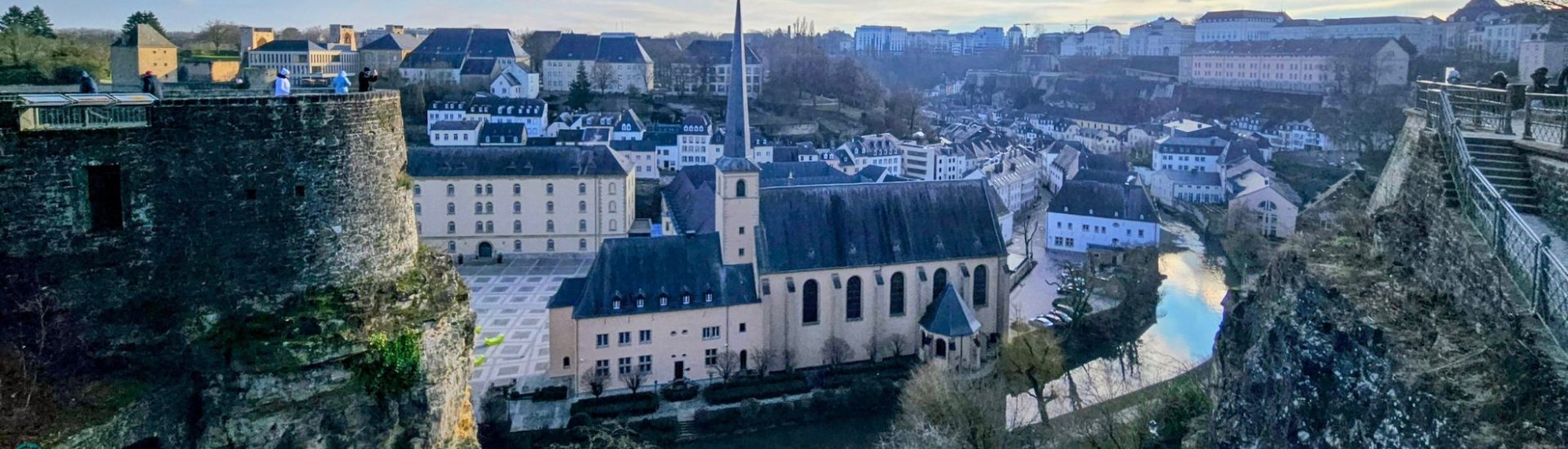
An honest look at why well-chosen routes, sensible pacing, and fewer moves often lead to better trips. Especially when plans need to flex.
Some of the best trips I’ve taken haven’t gone exactly to plan.
This one took me from northern France through Belgium and into Luxembourg, finishing back via Brussels. It was deliberately simple. A small number of bases, a clear route, and enough breathing space to let the journey unfold.
And that choice made all the difference.
Partway through the journey, the car broke down outside Namur in Belgium. Not ideal. But because the route was logical and the pace realistic, the trip didn’t fall apart. It just changed shape.
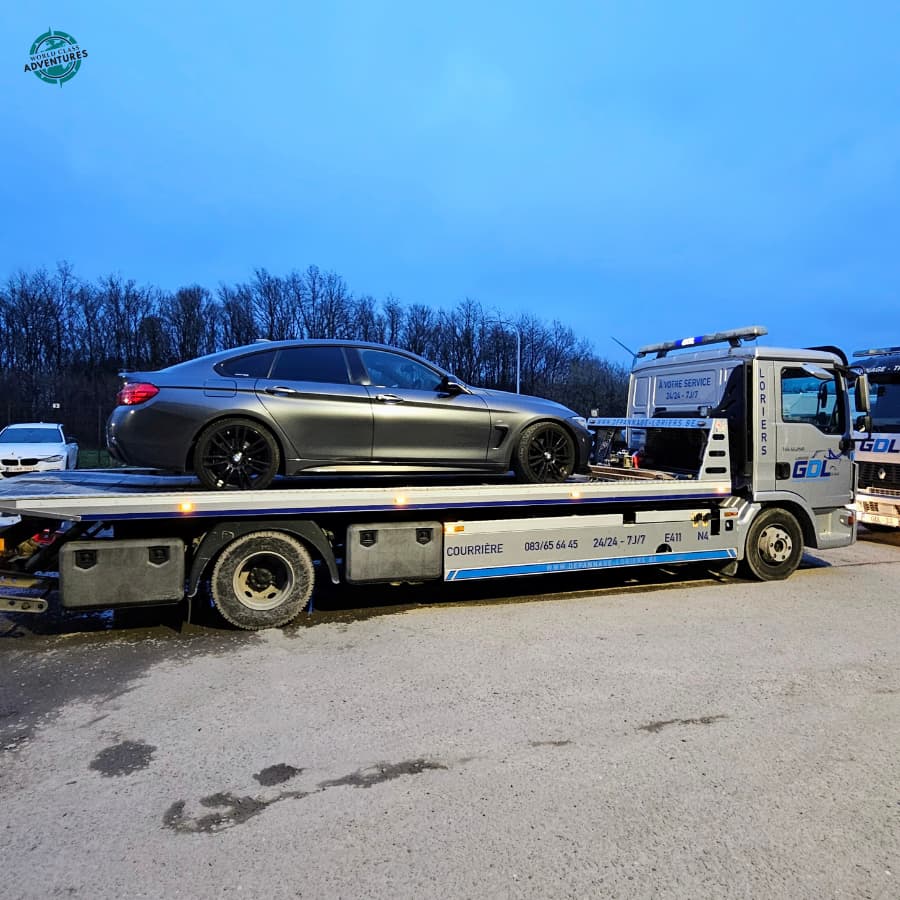
When you plan with breathing space, a hiccup does not have to derail the trip.
Instead of pushing on regardless, we stayed put. We explored somewhere we’d never planned to visit. We ate well. We slept properly. The next leg happened by train instead of road.
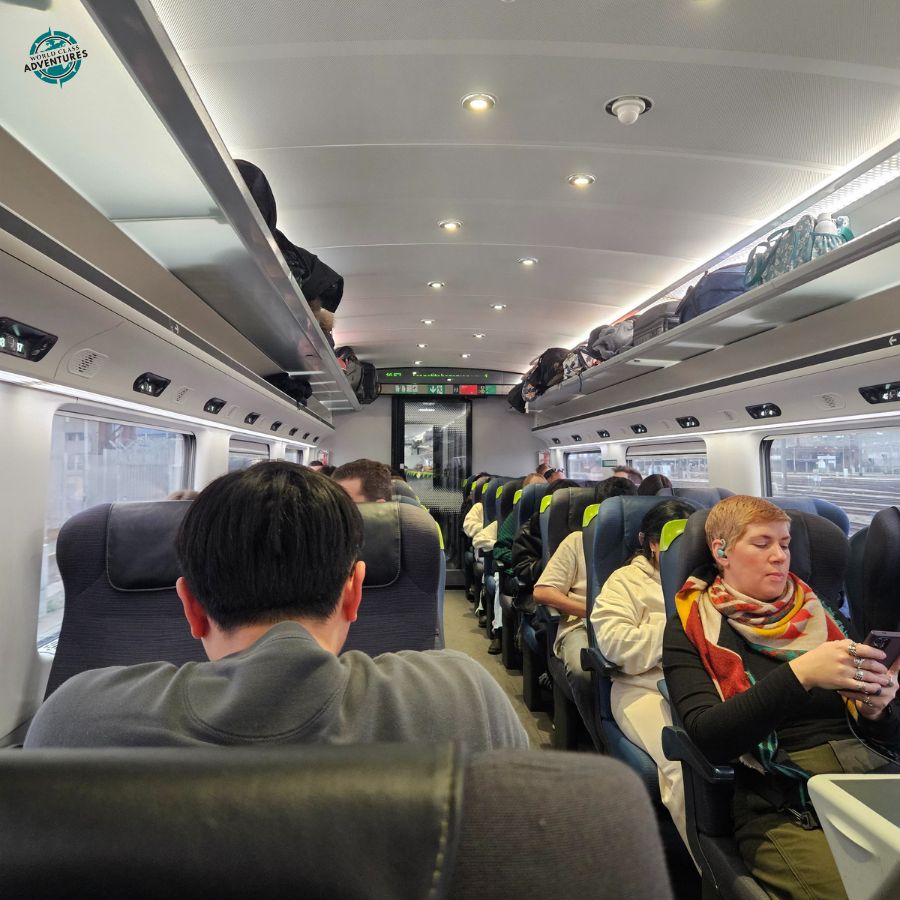
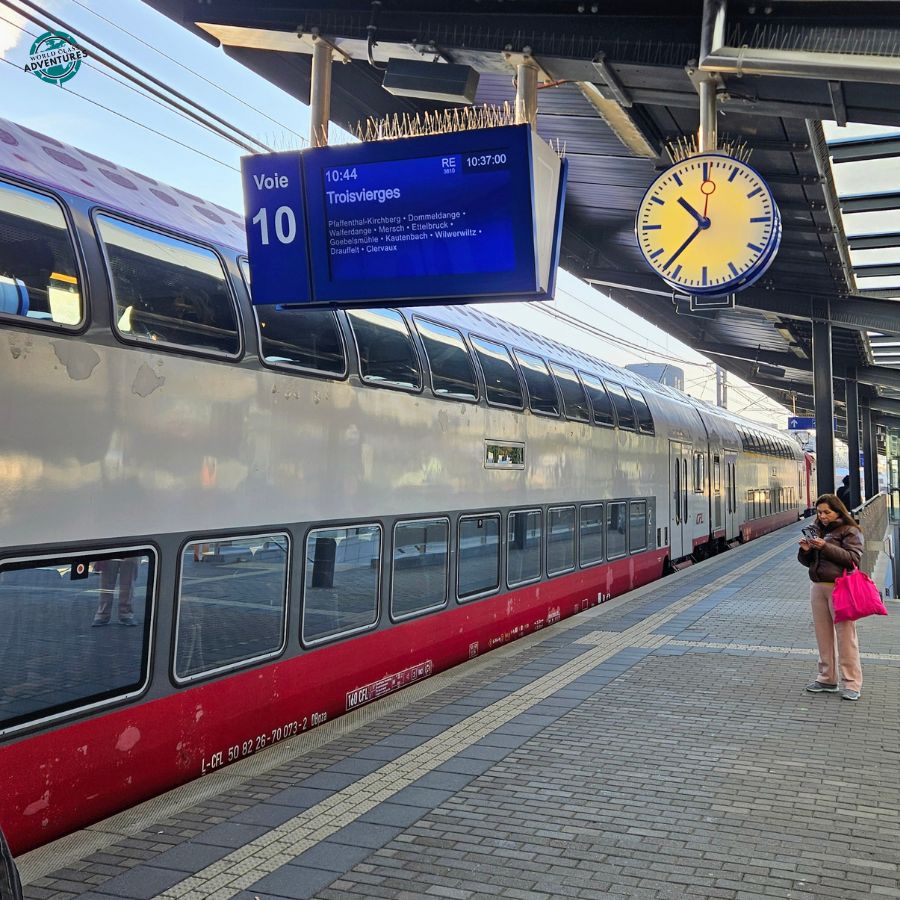
The journey kept flowing, just with a different shape.
That kind of shift only works when the trip hasn’t been crammed too tightly to begin with.
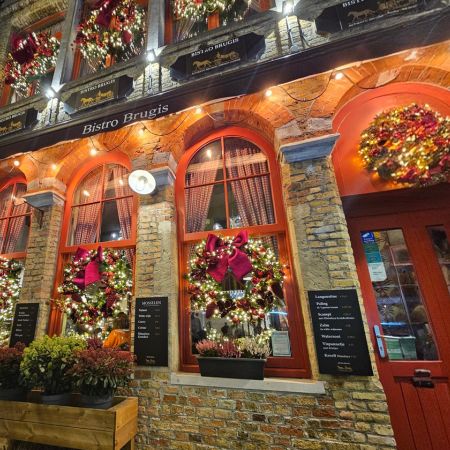
Staying longer is often when a place starts to feel like yours.
There’s a temptation to squeeze in one more place because it’s nearby. Another night somewhere else. Another hotel, another unpack.
On this trip, we stayed long enough in places like Luxembourg City and Bruges to relax into them. To walk without a list. To notice the feel of a place rather than rush through the highlights.
That’s when travel stops feeling performative and starts feeling enjoyable.
.png)
Good pacing isn’t about moving slowly all the time. It’s about balance.
Busy days followed by quieter ones. Travel days that don’t spill straight into evening plans. Space to wander without an agenda, especially after days that carry more emotional weight.
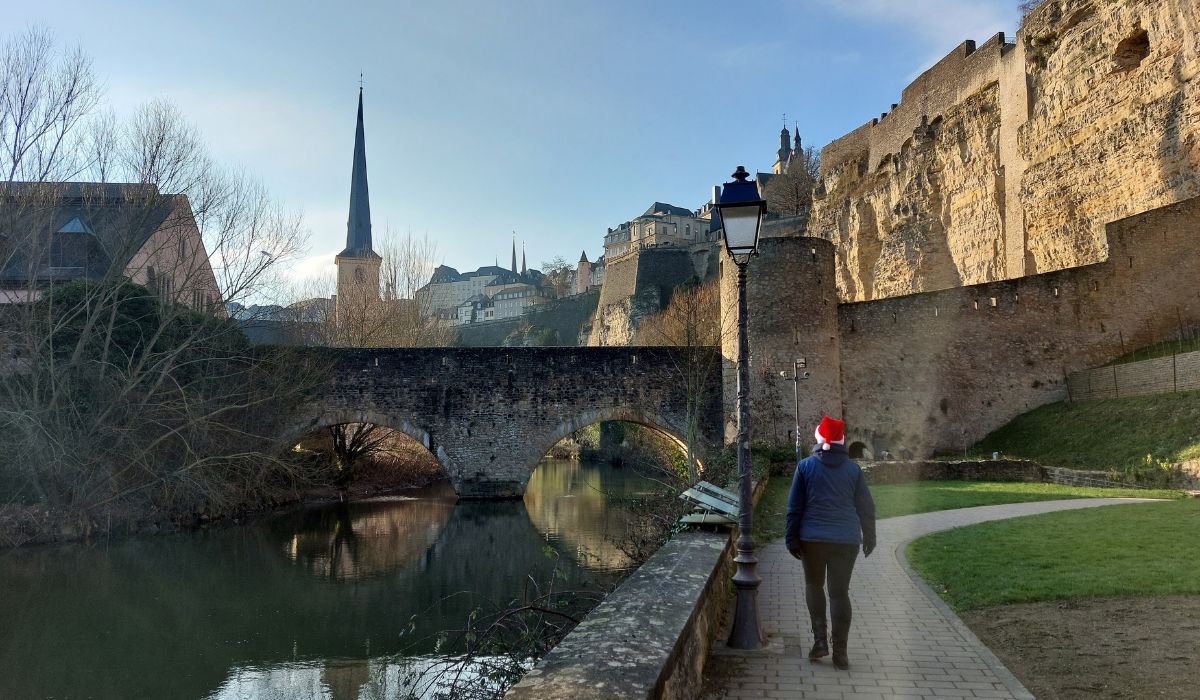
Good pacing is balance, not slowness.
Although I will admit, the emotional weight was easier to manage than the physical weight of my suitcase. I packed far more than usual because we had the car. Then the car went home without us. Lesson learned.
Still, the trip absorbed that change without stress because the structure allowed for it.
As a travel agent, this is the part I see so often.
When something changes, it’s rarely the change itself that spoils a trip. It’s the uncertainty around what to do next.
I knew exactly how to pivot. Which train routes made sense. How to keep the journey flowing. How to avoid turning a hiccup into a headache.
That confidence doesn’t come from luck. It comes from experience.
And it’s the same calm, practical thinking I bring to my clients’ trips.
This journey through France, Belgium and Luxembourg reinforced something I already knew to be true.
The best trips don’t try to do everything. They don’t chase every stop or squeeze every hour. They’re designed to work with real life, not against it.
When that’s done properly, you come home relaxed. Not needing another holiday to recover. Even when things didn’t go exactly to plan.
That’s the kind of travel I believe in.
And it’s exactly how I plan trips for my clients.
When I plan an itinerary, I keep the route clear, the pace realistic, and the options practical. If you want a trip that feels calm even when plans change, I can help you build it from the start.
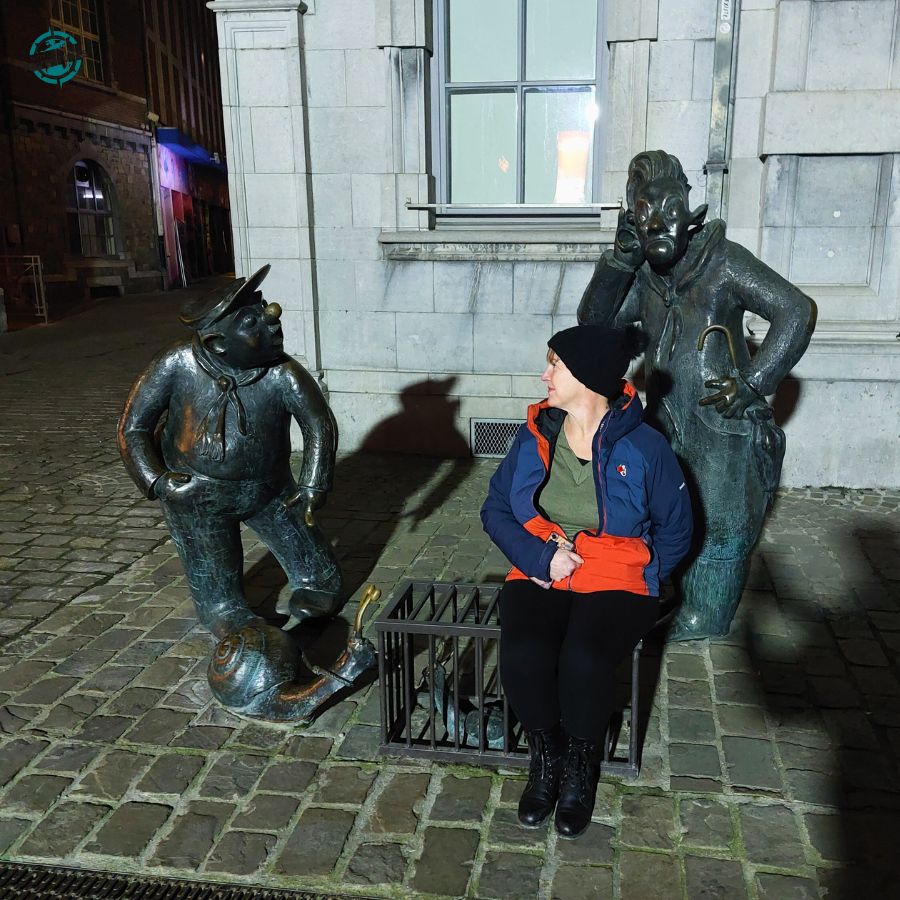
A bit of humour helps, but structure does the heavy lifting.
Most of the time, I find two to four bases works well, depending on distances and what you want to do. The aim is simple routing, not constant packing, so you can enjoy each place properly.
I plan the structure tightly and the days lightly. You know where you are staying and how you will move, but you are not locked into a rigid hour by hour plan. That is what keeps it calm.
It depends on the route, but trains can be a brilliant fallback, and sometimes the best first choice. I often design routes where switching from road to rail still makes sense if plans change.