
Beginner’s Guide to Ocean Cruising: What to Expect on Your First Cruise
Essential tips for first-time cruisers in the UK
A first cruise raises a lot of small questions: how boarding works, what costs extra, which cabin to choose and what to wear. This guide takes you through a cruise from booking to the final morning, so nothing surprises you. If you are still deciding between ocean, river and expedition, start with my article on how to choose a cruise holiday.
Good to know: This is a general guide. Policies and processes vary by cruise line and ship. If you tell me your ship and sailing, I can advise on the details.
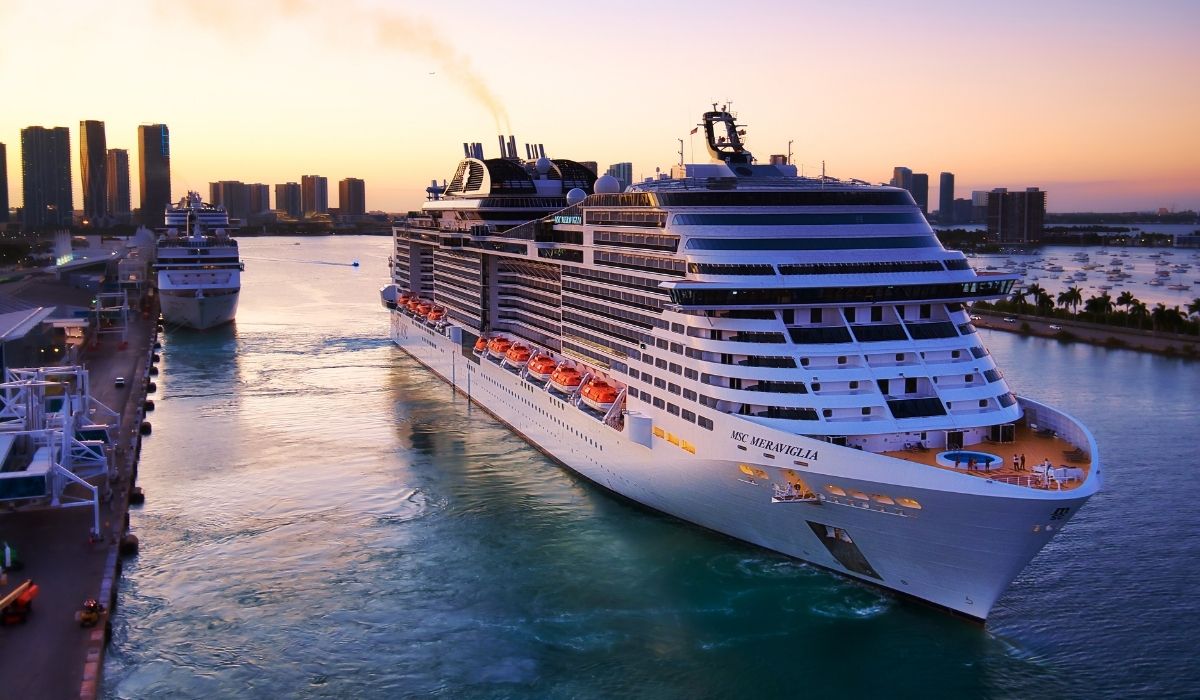
Sailing away from port at sunset, a highlight for first-time UK cruisers.
Choosing your cabin
Most ships offer four types: inside (no window), ocean view (a window), balcony and suite. An inside cabin is often the best value, and a midship inside cabin can beat a balcony that is noisy or moves more.
Position matters as much as type:
- Midship on a lower deck moves least. High forward cabins feel the most up and down movement.
- Check what is above, below and beside your cabin on the deck plan. Cabins under the pool deck, buffet or sports court, or above a theatre or lounge, draw the most complaints about noise.
- Forward-facing balconies can be windy. Aft cabins have wake views, but you may feel engine vibration.
Use the deck plan rather than the deck number, because what surrounds a cabin differs from ship to ship.
Embarkation, how to board smoothly
Arriving and check in
Plan to arrive at the port at your assigned time. If you are travelling far, consider staying one night nearby to avoid delays. Cruise terminals work differently to airports. Arriving too early usually means waiting, since boarding often begins around midday.
Luggage and documents
Give large suitcases to porters with cruise luggage tags attached. Keep your passport, boarding pass, visas if required, medication, and valuables in your carry on. At check in, staff verify ID, take a photo, and set up your onboard account. You receive a cruise card or wearable that is your cabin key, ID, and payment method.
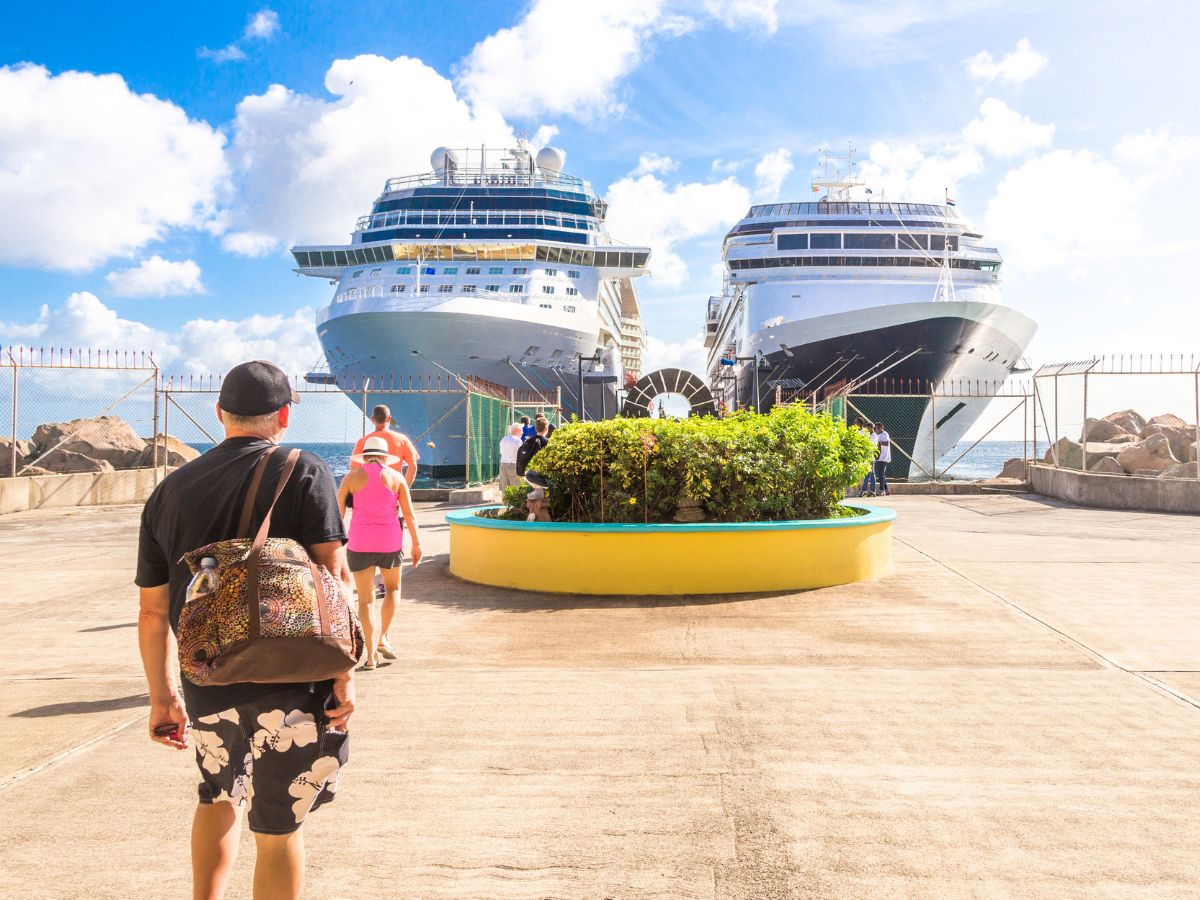
Travellers at embarkation walking towards their cruise ship in port.
Security and boarding
Bags are scanned, similar to an airport but usually quicker. Then you walk up the gangway and you are on holiday.
Muster drill and sailaway
Complete the mandatory safety drill. Some lines use a video or app plus a quick check in at your muster station. After that, head to an open deck for sailaway. It is a lovely moment as the ship eases out of port.
Note: Exact timing, processes, and any priority boarding options vary by line.
What is included, what costs extra
Typically included in your fare
- Your cabin and housekeeping
- Most meals in the main dining room and buffet, plus several casual spots
- Daily entertainment such as theatre shows, live music, quizzes
- Pools, hot tubs, gym, and most daytime activities
- Tender boats to shore when the ship cannot dock
Common extras to budget for
- Drinks. Soft drinks, bottled water, speciality coffee, and alcohol are usually extra. Expect a service charge on bar bills. A drinks package can be good value if you will use it every day.
- Speciality dining. Optional restaurants such as steakhouses or sushi bars have a cover charge or à la carte pricing.
- Gratuities. Many lines add a daily service charge. Royal Caribbean adds US$18.50 per adult per day, about £14 at the exchange rate on 23 October 2026, and charges it in dollars. Some UK lines include service in the fare or leave tipping to you, and P&O Cruises removed its automatic daily charge in 2019. Check your line’s current policy before you book.
- Wi-Fi. Internet packages are usually extra. On P&O Cruises, whole-cruise packages cost £14 a day for Essential (browsing, email, messaging) and £20 a day for Ultimate (faster speeds, calls and streaming).
- Shore excursions. Prices vary widely by port and operator. See “Port days” below for the difference between ship and independent tours.
- Spa, fitness classes, photos, casino, activities such as escape rooms or go karts.
Onboard payments
Everything is charged to your cabin account using your card or wearable. Track spending in the app or on your TV. Your stored card is charged automatically on the last morning unless you settle another way at guest services.
Prices and rules in this guide were checked on 23 October 2026. They change, so confirm them with your cruise line before you book.

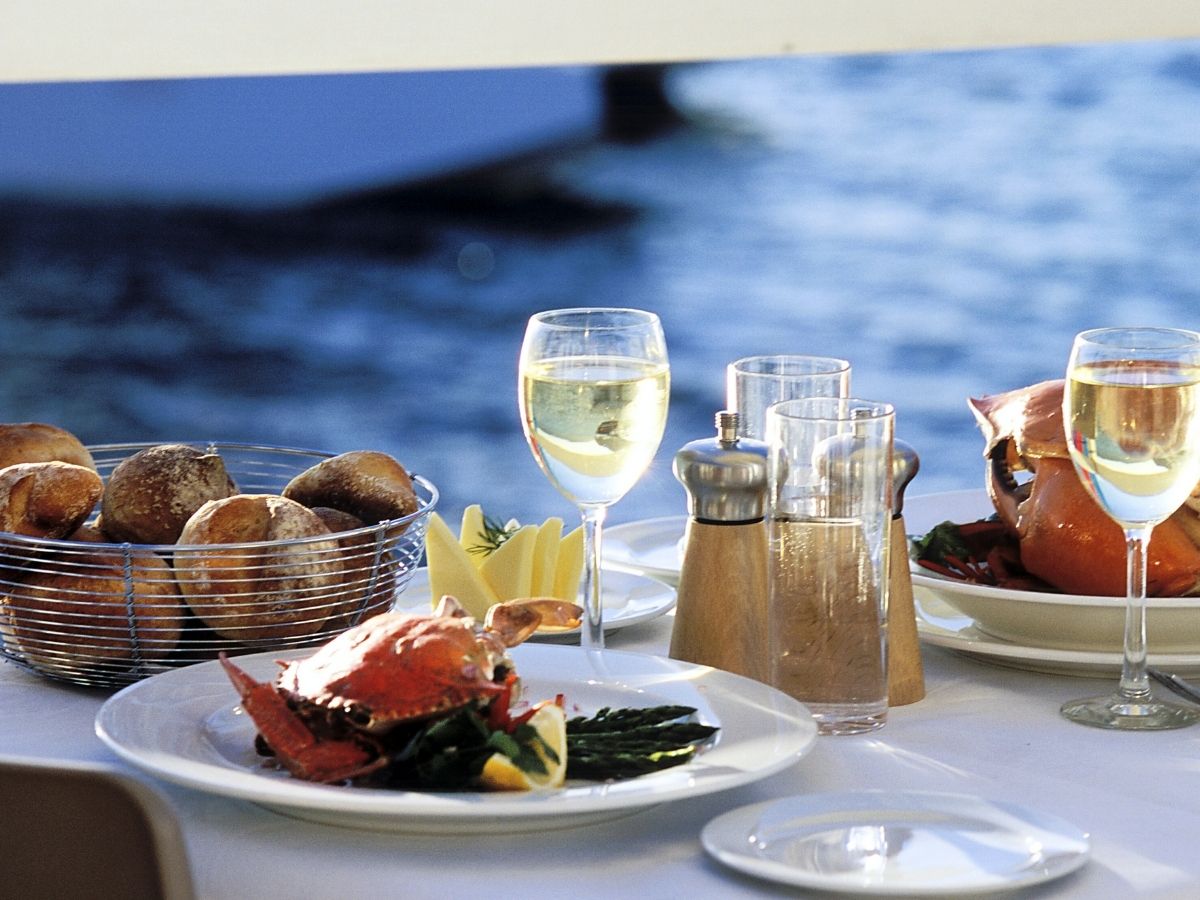
The main dining room, included in your cruise fare for breakfast, lunch and dinner.
Dining, how it works
Main dining room
Multi-course dinners are included. You may have fixed seating times or flexible dining where you arrive within set hours. If you want a different time or table size, speak to the maître d’ on day one.
Buffet and casual spots
Great for variety and convenience. Breakfast, lunch, and dinner are usually available in some form throughout the day.
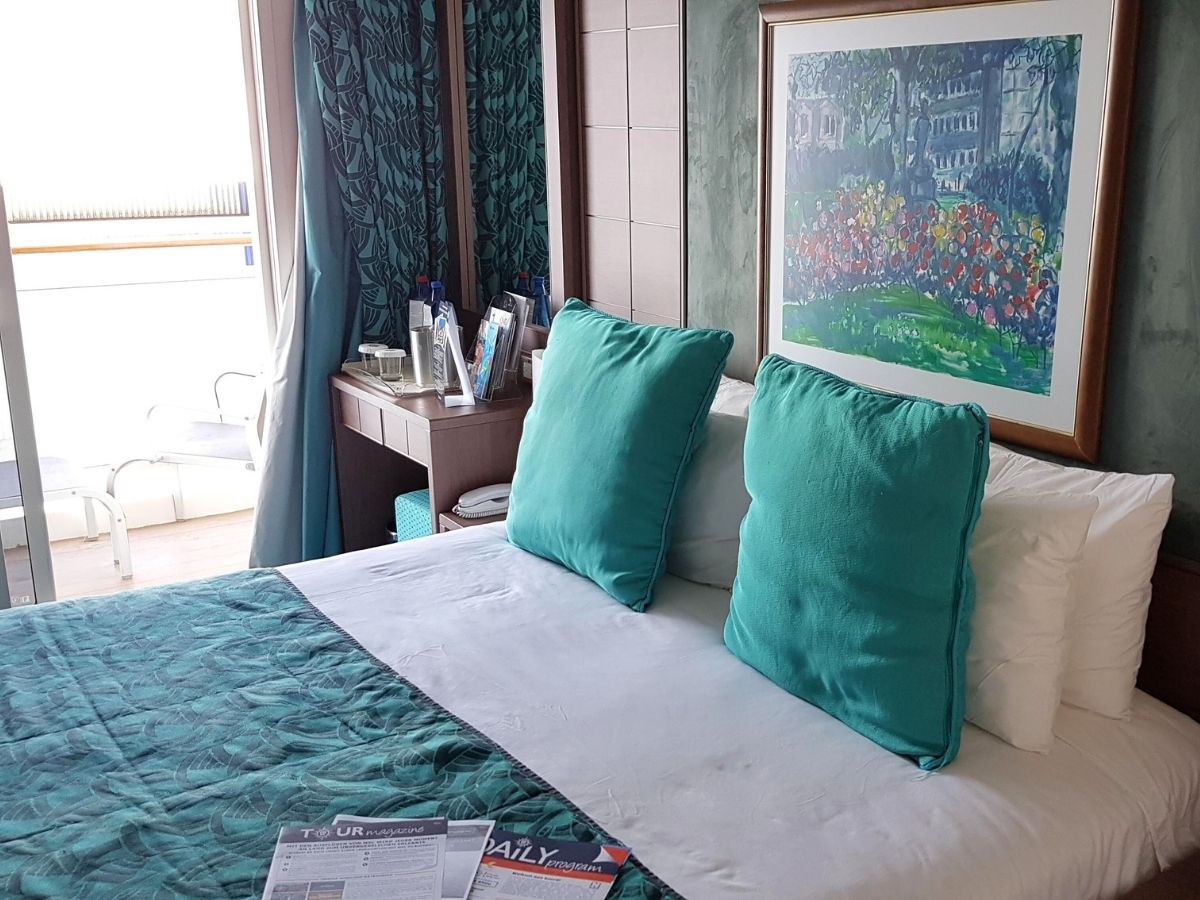
A comfortable cruise cabin with balcony, your home from home at sea.
Speciality restaurants
Smaller venues with an extra charge. Book early for popular nights or celebrations.
Room service and dietary needs
Room service policies vary from free to a small fee. Tell the cruise line about allergies or dietary needs in advance and remind your head waiter on day one.
Dress codes simplified
Daytime
Casual and comfortable. Swimwear with a cover up indoors. Practical footwear for walking the decks and shore days.
Evenings
Most nights are smart casual. Longer voyages often include one or two elegant or gala nights. A cocktail dress or a shirt with smart trousers will be fine for most dining rooms. Casual venues do not require formal wear.

Smart evening wear for formal night on board, optional but memorable.
Theme nights
Some sailings include optional themes such as White Night. Join in if you like.
Note: Dress guidance varies by cruise line. Check your daily programme or app.
Travel insurance
I cannot advise on or sell travel insurance, so you will need to arrange this yourself with a provider you choose. NHS guidance on travel insurance suggests checking:
- That it covers cruises. The NHS says reciprocal healthcare arrangements such as the GHIC do not cover cruise-related costs, so you may need specialist cover.
- Medical cover. Emergency treatment, ambulance fees, medical evacuation and repatriation.
- Where and what. Every country you will visit and every activity you plan.
- Declarations. Declare pre-existing conditions and medication, including over-the-counter. An undeclared condition can invalidate a policy.
A GHIC or EHIC is not a substitute for travel insurance.
What to pack for a cruise
Essentials
- A passport that meets your cruise line’s rules, which differ. P&O Cruises asks for a passport under 10 years old with three months left for EU and Schengen cruises, and six months for other destinations. Fred. Olsen asks for six months from your return date. Check your line and the FCDO travel advice for each country.
- Travel insurance details and cruise documents
- Any required visas
- Medications, copies of prescriptions, seasickness remedies
- Bank cards and a little local currency for ports
Clothing
- Lightweight layers for warm destinations
- A warmer layer for air-conditioned interiors and breezy decks
- Swimwear, cover up, hat, sunglasses
- Comfortable walking shoes for port days
- One smart outfit for an elegant night
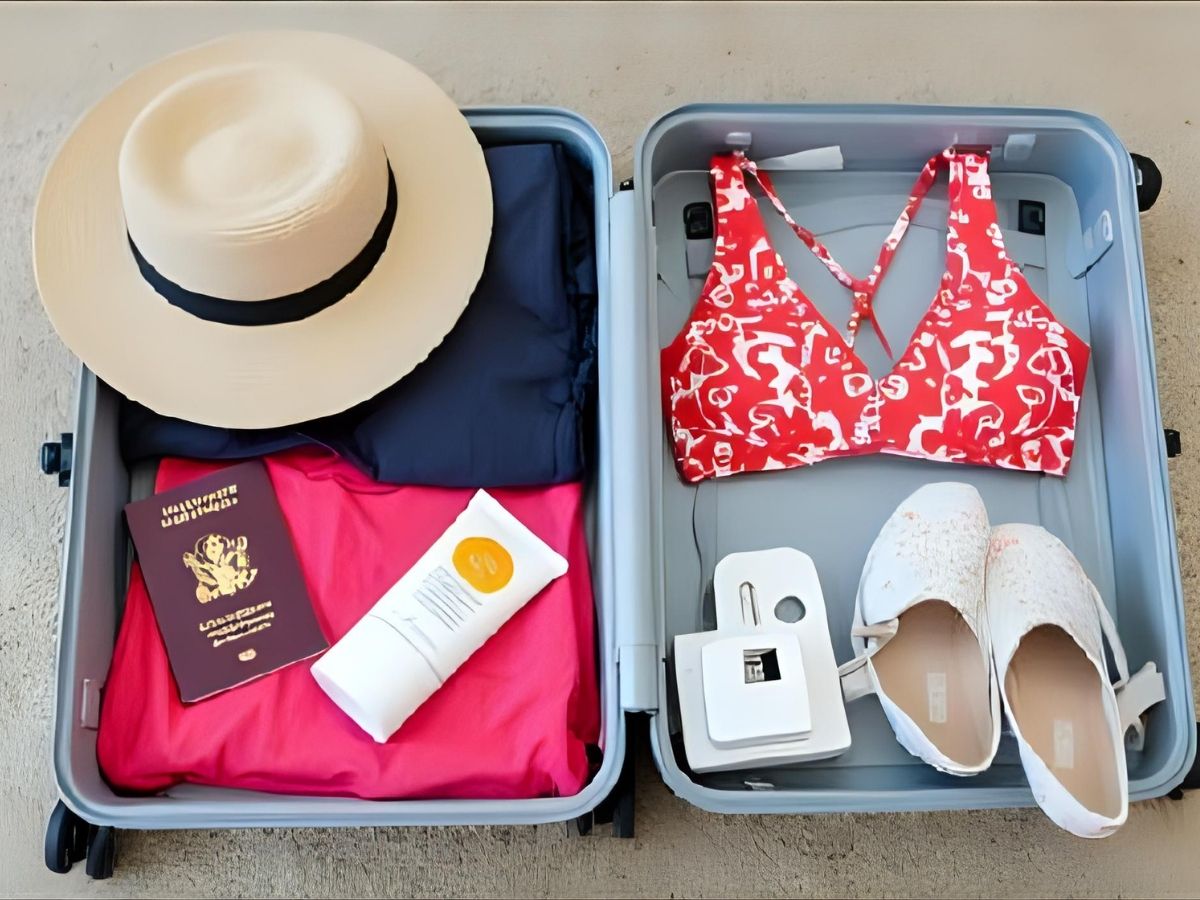
Smart packing for a cruise: passport, swimwear, sun protection and evening outfits.
Useful extras
- UK and EU or US adaptors based on ship sockets
- Small non-surge power cube if allowed by your line
- Portable battery pack
- Refillable water bottle
- Magnetic hooks for cabin walls, zip bags, highlighter for the printed schedule
- Earplugs or a white noise app if you sleep lightly
Life onboard, smooth sailing tips
Daily schedule
Your printed planner or app lists shows, activities, dress suggestions, and opening times. Mark your must-dos. It is fine to ignore the rest.
Phones and Wi-Fi
Switch your phone to flight mode at sailaway. Only use ship Wi-Fi if you’ve bought a package, unless the ship has its own app (for schedules or dining), in which case allow Wi-Fi for that app only.
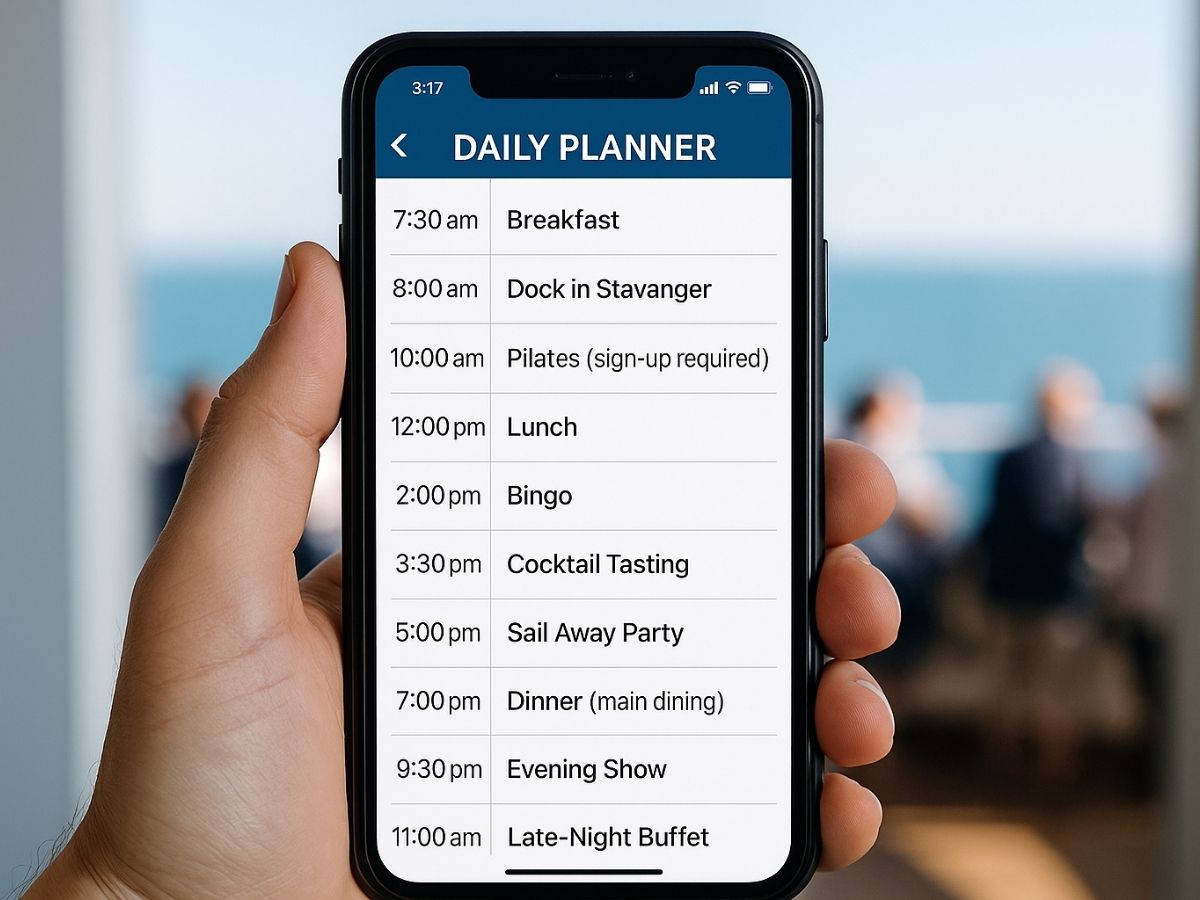
A sample cruise daily planner displayed on a phone app, activities from morning to night.
Motion and seasickness
Motion sickness comes from your inner ear and eyes sending conflicting signals to your brain. These help:
- A midship cabin on a lower deck.
- Fresh air, and looking at a fixed point such as the horizon.
- Avoiding reading and screens, and avoiding heavy or spicy meals and alcohol beforehand.
Pharmacies sell tablets and, for adults and children over 10, patches. Ginger and acupressure bands are popular, though bands do not work for everyone. Ask a pharmacist before you travel which suits you, especially if you take other medication. The ship’s medical centre can help if you are unwell on board.
Etiquette
Do not reserve sun loungers for long periods. Follow smoking rules. Respect quiet areas and adult-only spaces.
Port days, going ashore
Docking or tendering
Docking means a simple walk off. Tendering uses small boats to reach shore and takes longer. Allow extra time to return.
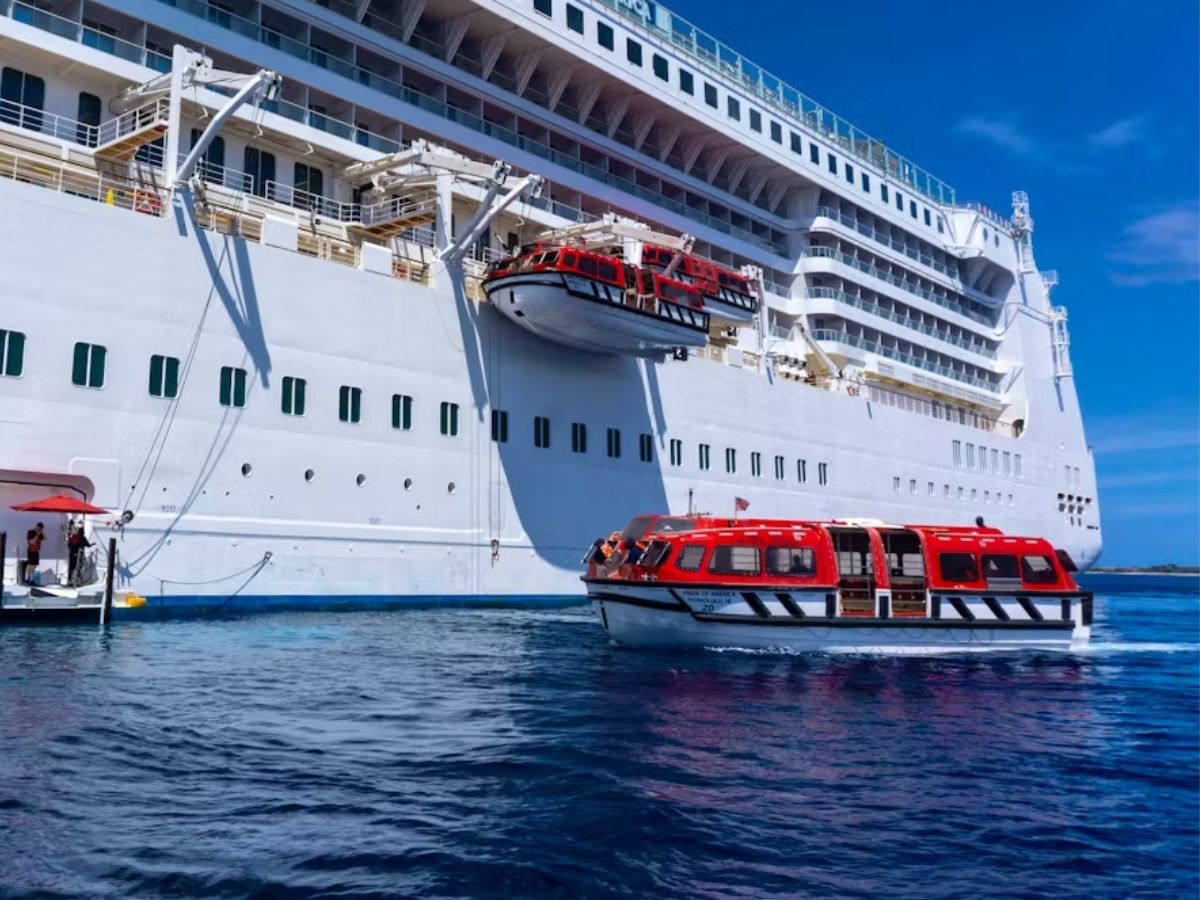
A tender boat ferrying passengers from ship to shore, common in smaller ports.
Ship tours or independent exploring
With a ship tour, the ship will wait if the coach runs late. Ship tours are usually easier to cancel, and you get a refund or an adjusted tour if the itinerary changes. They often cost more than the same tour booked direct.
Independent tours can be cheaper and more flexible. The ship will not wait for you if you are late, and some operators will not refund a last-minute cancellation or may charge you as a no-show. Whichever you choose, plan to be back well before the all-aboard time.
Re-boarding
Take your cruise card and a photo ID. Stay on ship time. Your phone may switch to local time, which can be misleading.
Disembarkation, the final morning
Two options
- Self assist. Keep your luggage and walk off early.
- Assisted. Put tagged bags outside your door the night before. Collect them in the terminal.
Morning flow
Vacate your cabin on time, usually by 08.00. Have breakfast, then wait in your assigned lounge until your group is called. Leave a comfortable buffer before any onward travel. Midday or early afternoon flights are safest.
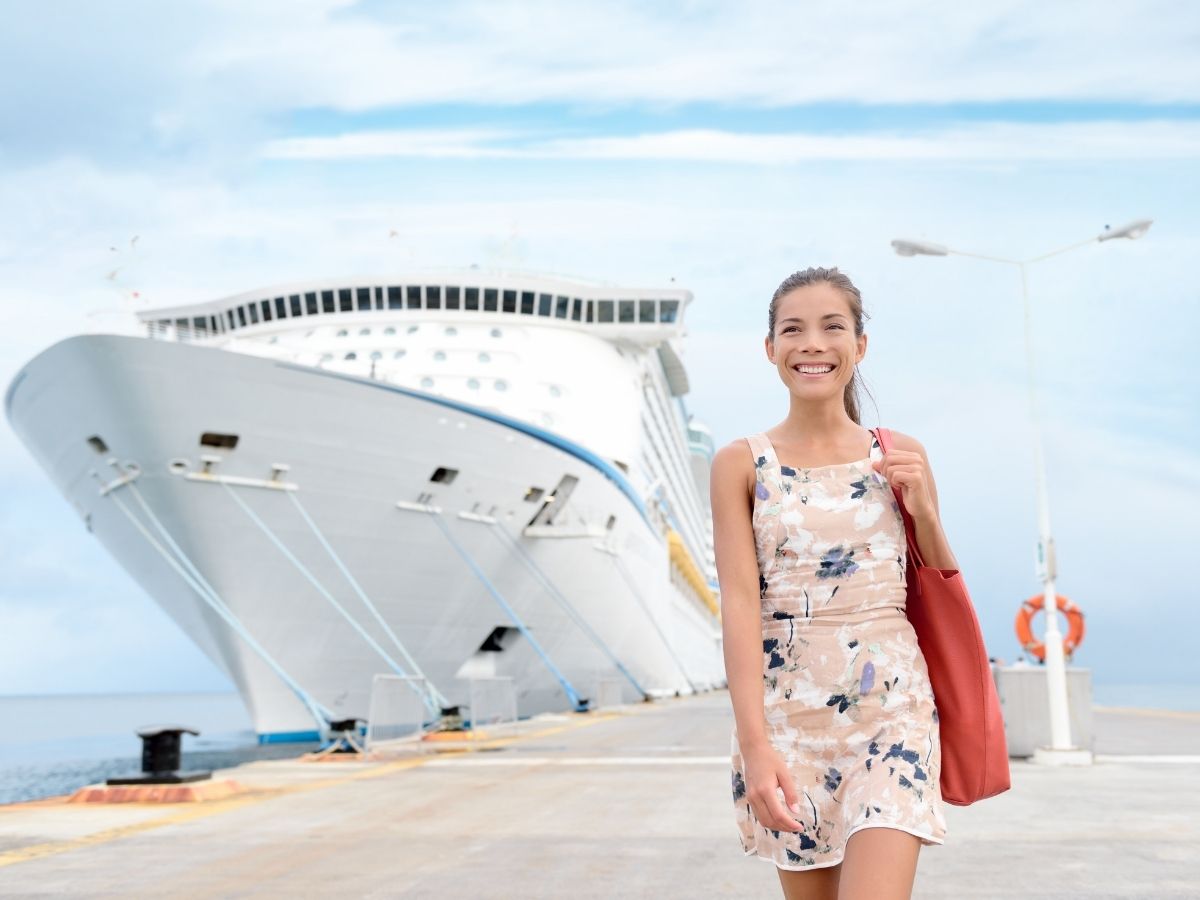
Passengers disembarking at a cruise terminal at the end of their holiday.
Popular questions from first-time cruisers
Is tap water safe on the ship
Yes. Ships produce and treat their own drinking water. Use dispensers or ask for iced water in restaurants.
Can I bring alcohol onboard
Policies vary by line. Many allow a limited amount of wine per adult at embarkation. Beer and spirits are usually not allowed. Extra alcohol bought ashore is often held and returned at the end.
Do I have to tip
Many lines add a daily service charge, and some include it in the fare. Check your line’s policy before you book. You can usually prepay it or ask about adjusting it at guest services.
Will I get bored
Unlikely. There are shows, live music, lectures, classes, films, spa time, and shore days. You can do as much or as little as you like.
What if I get seasick
Choose a midship cabin on a lower deck, get fresh air, look at the horizon and avoid screens. Speak to a pharmacist before you travel about what suits you.
What is the best cabin location
For the least motion and noise, choose midship on a lower deck. If you love views and private outdoor space, a balcony is a treat.
Can I use my phone
Yes, but keep it in flight mode to avoid roaming. Buy a Wi-Fi package if you need to stay connected, or wait for free Wi-Fi in port.
Are laundry facilities available
Most ships offer paid laundry or pressing. Some have self-service launderettes. Pack a small laundry bag to keep things organised.
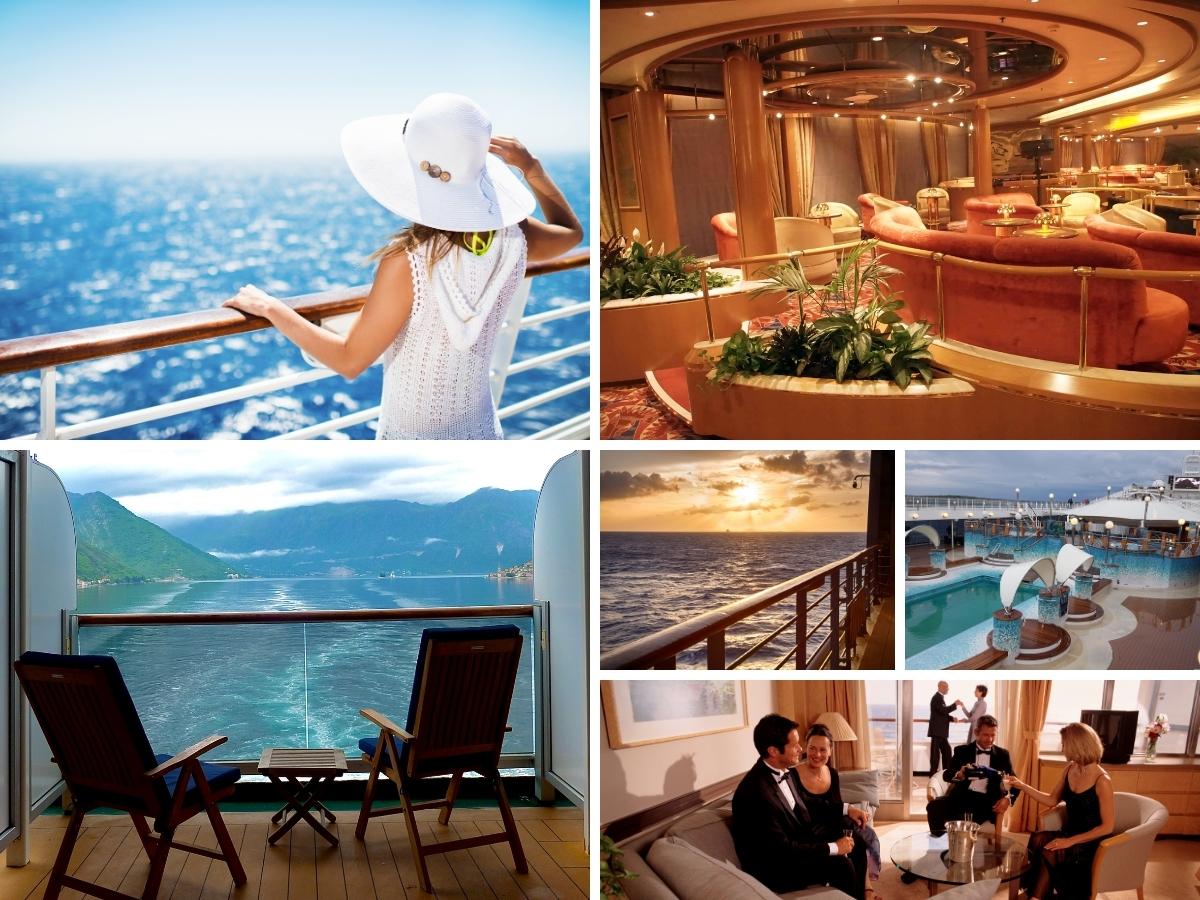
A collage of cruise experiences, dining, cabins, activities and views at sea.
Ready to plan your first cruise
A cruise only works if the ship suits you. I ask what you enjoy, then compare cruise lines, ships and cabins and recommend one, and I explain why. I do not charge a planning fee, and your holiday is financially protected through ABTA, and through ATOL where it includes flights.
This guide is general, and your cruise line may do things differently. Tell me your ship and itinerary and I can advise on the details.
Call or WhatsApp 0117 452 1159 or email bridget@worldclassadventures.co.uk