When people talk about memorable trips, they often mention landscapes, hotels or special experiences. But when I listen carefully, it is usually food that brings the strongest memories back.
Not the most expensive meal or the one they booked weeks in advance, but something simple. A busy café. A market lunch. A dish they could not quite recreate at home.
Food has a way of helping you understand where you are very quickly, often without trying.
Why food is often the fastest way to grasp culture
Food is shaped by geography, climate, history and habit. It reflects what grows locally, how people live day to day, and what has mattered over time.
In Japan, seasonality is not something reserved for special occasions. It is part of everyday life. Menus change quietly with the months, and meals are balanced with care and intention. You notice very quickly that food is treated with respect, not fuss.
If Japan is on your list, have a look at Japan small group tours or my article on Japan’s Golden Route, and we can shape the right route and pace for you.
In Italy, food tells you exactly where you are. Travel a short distance and dishes change because the land changes. Mountains, coastlines and farmland have always dictated what people eat. Eating locally is not a trend there. It is simply how things work.
If you love that regional variety, you will often find the same feeling across the Southern Europe multi activity trips pages, where food naturally reflects the landscape and local rhythm.
You do not need a guidebook explanation for this. You feel it the moment you sit down to eat.
.png)
Everyday eating versus foodie travel
There is nothing wrong with travelling for food. Some people love planning trips around restaurants and tasting menus. But meaningful food experiences do not have to look like that.
Often, they are far simpler.
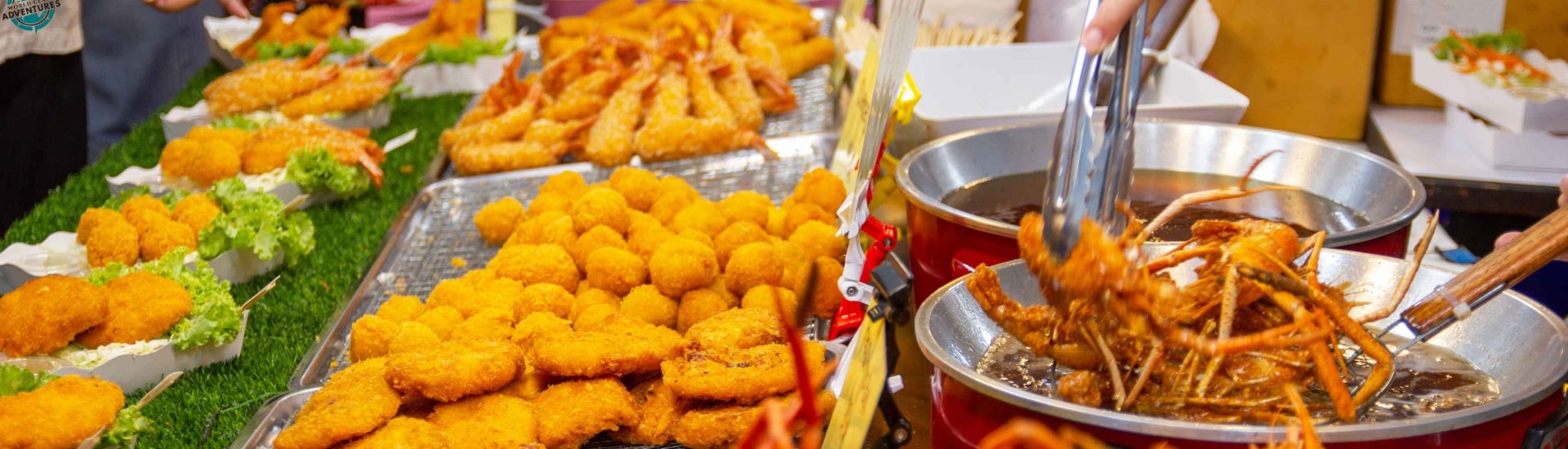
Standing at a street stall in Thailand watching lunches cooked for people on their break. Sitting in a small neighbourhood café in Spain, where coffee is quick, conversation is lively and no one is trying to impress anyone.
These moments are not created for visitors, which is exactly why they are revealing. They show how food fits into daily life. Whether meals are social or practical. Whether people linger or move on quickly.
You do not need to chase the best rated restaurant to understand a place. You just need to pay attention.
If you are drawn to that kind of everyday atmosphere, start with Thailand small group tours, or explore Mediterranean multi activity trips for a similar balance of food, culture and easy-going days.
Destinations where cuisine reflects history and geography
Some destinations tell their story most clearly through food.
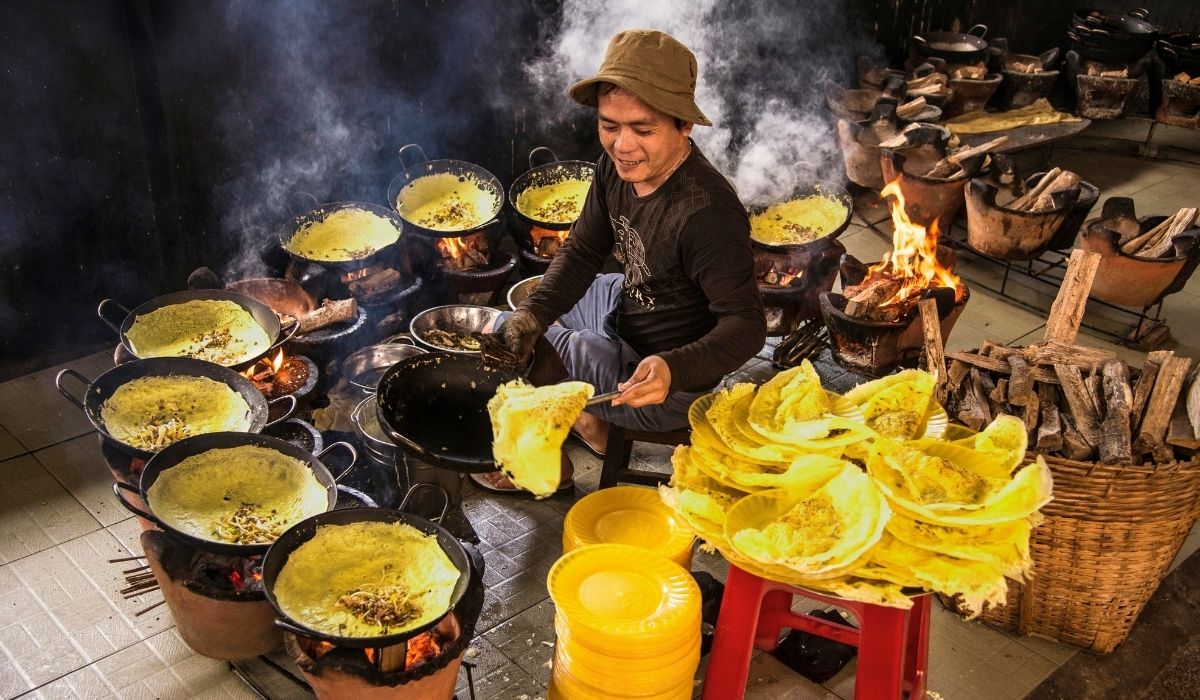
In Vietnam, light broths, fresh herbs and balance on the plate reflect both climate and history. Meals are designed to refresh rather than overwhelm, and regional differences quietly hint at trade routes and past influences.
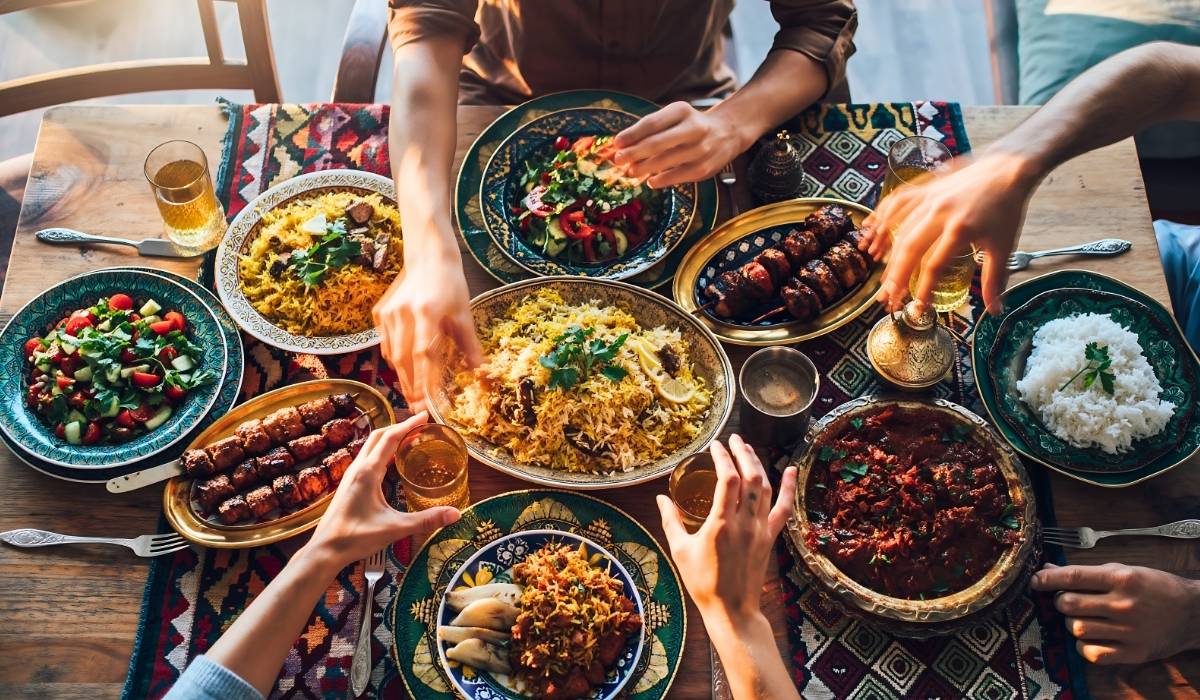
In Morocco, spices speak of centuries of trade. Slow cooked dishes developed out of necessity, making tough ingredients tender with minimal fuel. The food makes sense once you understand the environment it came from.
In Peru, ancient ingredients like potatoes, maize and grains are not a rediscovery. They have always been central. Eating there connects you to a food culture that existed long before modern borders.
This is why I often say food is a living record. You experience history without it being explained to you.
Explore more: Vietnam small group tours, Morocco small group tours, and my Peru guide.
How to spot meaningful food experiences in an itinerary
When I am planning a trip, I am not looking to pack every day with food experiences. Instead, I look for space where food can happen naturally.
- Time to visit markets or explore towns without rushing
- Meals described by setting rather than just restaurant names
- Stays where you can eat beyond the hotel if you choose
- A pace that allows for curiosity and spontaneity
The most enjoyable food experiences are rarely over-scheduled. They appear because the itinerary allows room for them.
This is often where thoughtful planning makes the biggest difference. If you are comparing options, it can help to start with the small group tours hub and then narrow it down by region and travel style.
Using food as a guide when choosing where to travel next
Food can also be a useful way to narrow down where you want to go.
- Do I enjoy long, social meals or quick, informal eating
- Do I love markets and cafés, or quiet local restaurants
- Do I want food to be a highlight, or simply part of everyday life
These preferences usually reflect a wider travel style. People who enjoy slow meals often feel happiest in destinations with a relaxed pace. Those who like flexibility tend to enjoy places where food fits easily around exploration.
Thinking this way can help you choose destinations that genuinely suit you, not just ones that look good in photos.
A final thought
You do not need to plan a trip around food for it to become one of the most meaningful parts of it.
When you notice what people eat, where they eat and how they treat food, you begin to understand a place on its own terms. And very often, it is a simple meal that brings a whole journey back into focus long after you return home.
If you would like help planning a trip where these moments happen naturally, I would be very happy to talk it through with you. Thoughtful itineraries leave space for discovery, and that is where the most memorable experiences usually appear.