

Thank you for signing up to our newsletter
- ABTA protected & ATOL bonded
- Part of Hays Independence Group
- 100% Privacy Guaranteed

My trip through Peru was fast, full-on and eye-opening. It was an educational familiarisation trip rather than a holiday, so there were early starts, packed days, supplier meetings, hotel inspections and excursions fitted tightly together. That pace showed me where Peru shines and where travellers are often pushed too hard.
Travelling this way gave me answers you only get by being there. I could feel when a schedule worked, when the altitude started to bite, and when a place needed more days than the itinerary gave it.
Lima surprised me. I expected a functional capital and found a city with real personality. Miraflores felt relaxed and coastal, Barranco was creative and colourful, and the historic centre had far more atmosphere than I had imagined.
Food stood out immediately. Even quick lunches were memorable, and it was obvious why Lima is such a strong culinary destination. I would not rush through it again, and I now always recommend at least two full nights here.

Lima’s coastal setting and the contrast between its neighbourhoods stood out.
Flying into Cusco was where the reality of altitude hit home. The city sits at 3,399 metres. Some of the group felt fine and others did not, and the difference showed within hours. Even those who coped well moved more slowly without realising it.
What helped most were small things. Being met calmly, given coca leaves and local herbal tea, and not being rushed straight into sightseeing made a real difference. Cusco itself is beautiful, but it is not somewhere to power through. That is why I would add nights in the Sacred Valley, which sits lower than Cusco, so that you adjust before you climb.

Cusco is stunning, but altitude changes how you experience it.
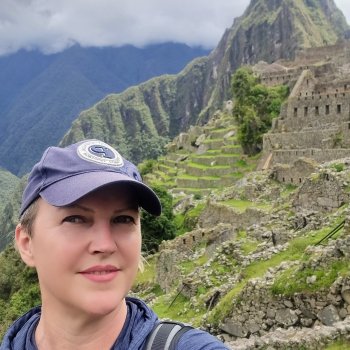
Arriving at Machu Picchu was emotional in a way I had not anticipated. Even with crowds and tight timings, it takes your breath away. The setting, the scale and the sense of history are remarkable. The citadel itself sits at 2,430 metres, lower than Cusco, so by then the altitude is easier on the body.
What became clear is how much the experience depends on timing. Entry is by timed slot and by route, so the time on your ticket shapes the whole day, and guide quality and how rushed you feel change the atmosphere. I now have a much stronger view on which approaches improve the visit and which spoil it. When I plan Machu Picchu with you, I check the current entry rules and book the slot that suits your pace.

Seeing Machu Picchu in person changes how you plan it.

This trip confirmed that Peru works best when you slow it down. I would add nights in the Sacred Valley, reduce internal flights where possible, and build in real rest time around Cusco.
Peru is not a destination to tick off quickly. It rewards patience, flexibility and sensible pacing, and that is how I now plan it.
If you would rather arrive at Machu Picchu on foot, my Peru trekking holidays include the Inca Trail, and my article on multi-centre holidays in Latin America includes a route that pairs Peru with the Galápagos. Peru also combines well with other countries in the region if time allows, and I design extended trips around how you want to travel rather than what fits neatly on paper.
This is a personal service from start to finish. I plan the route and book every part of it, and if anything changes while you are travelling, you call me and I deal with it.
Call or WhatsApp 0117 452 1159 or email bridget@worldclassadventures.co.uk