How to Plan a Wildlife Holiday: Where to Go, When and How to Choose
Where you go, which month you travel and how you see the animals decide almost everything about a wildlife holiday, and all three are settled long before you pack. These are the choices I start with when I plan one.
Where to go for wildlife
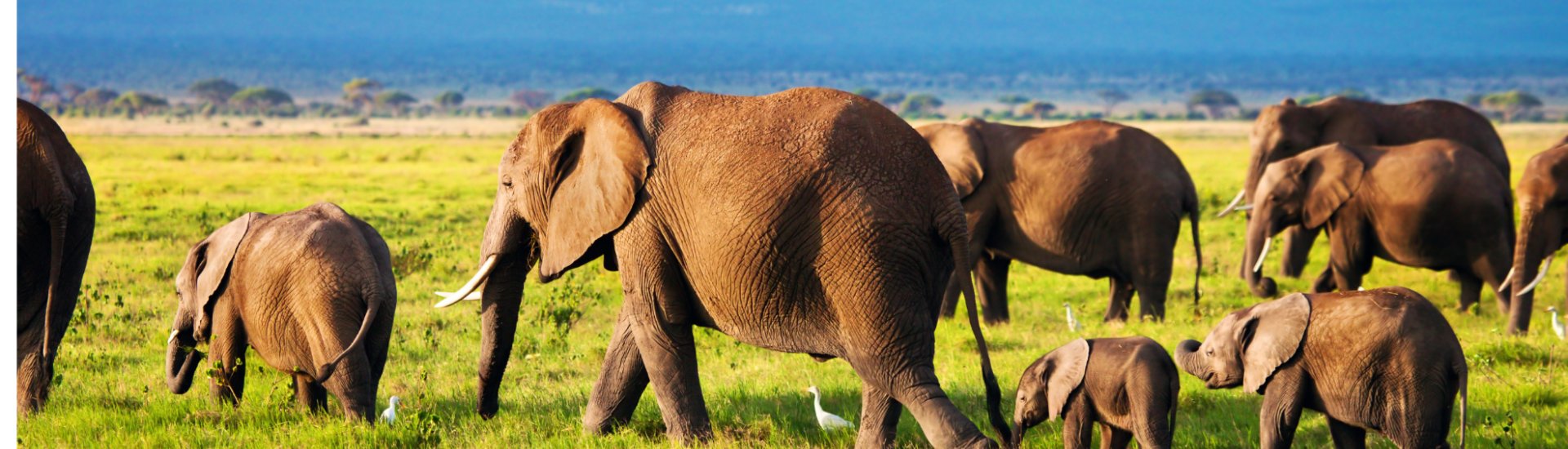
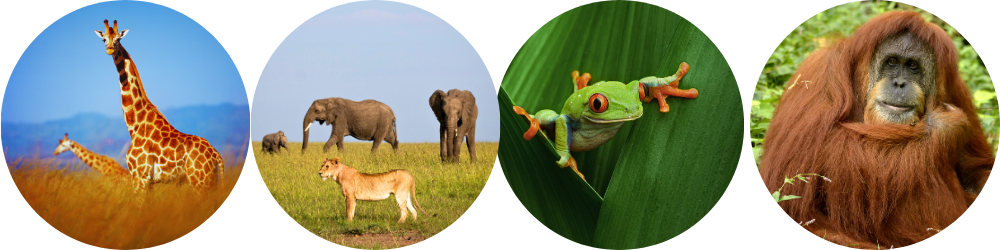
Africa is the classic choice, and the Big Five live in Kenya’s Masai Mara, Tanzania’s Serengeti and South Africa’s Kruger National Park. Each has its own character, so the right one depends on what you want to see and how you like to travel.
Further afield, the Galápagos Islands are home to giant tortoises and marine iguanas, and Borneo’s rainforests are where you find orangutans in their native habitat. In North America, Yellowstone, the world’s first national park, has grizzly bears and bison, and Costa Rica holds a rich variety of wildlife in lush rainforest.
When to go
The month you travel decides what you see. Some species are easier to find in particular seasons, and natural events such as migrations happen at set times of year, so I check the calendar against the animals on your list before I look at accommodation.
What to consider when choosing a safari
Different parks and reserves offer different wildlife, so start with the animals you most want to see and choose a location known for them. Accommodation ranges from lodges to mobile camps, and I match it to your comfort level and budget. A guided safari gives you an expert’s knowledge and safety, while self-drive gives you more freedom, and I help you decide which suits how you like to travel. Smaller groups give a more intimate experience and larger groups can cost less, so I look for the balance that works for you.

How to watch wildlife well
Keep a safe distance however tempting it is to move closer, never feed animals and follow your guide’s instructions, which protects you and the animals. Wildlife viewing rewards patience and quiet, so keep noise down and be ready to wait for the sighting. Every destination has its own rules for interacting with wildlife, and it is best to learn them before you travel, along with the habits and habitats of the animals you will see.
Take plenty of photographs, but avoid flash, which can startle and stress animals. My article Rethinking Wildlife Tourism explains how to spot responsible wildlife experiences and what to ask before you book. Take your rubbish with you, and buy local products and services where you can. Check which vaccinations you need before you go, and I can point you to the websites that list them for your destination. Take out travel insurance and follow the health advice for the region you are visiting.
What to pack for a wildlife holiday
Packing for a wildlife holiday takes a little preparation, because you may meet heat, rain and insects in the same week.
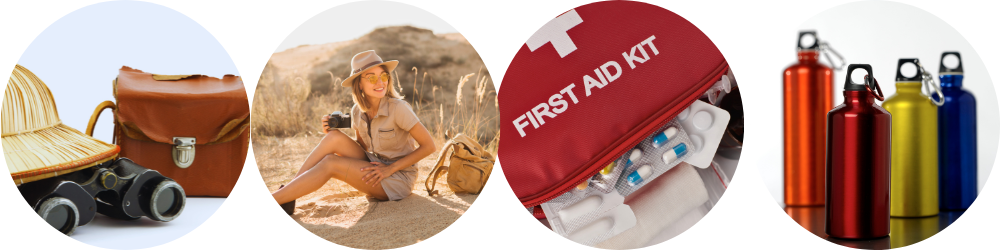
- Clothing: lightweight, moisture-wicking clothing; long-sleeved shirts and trousers for sun and insects; sturdy, comfortable boots; a wide-brimmed hat and sunglasses; a waterproof jacket.
- Gear: binoculars; a camera with spare batteries and memory cards, or a power bank for your phone; a reusable water bottle; a daypack; a travel adapter.
- Health and documents: insect repellent and sunscreen; a basic first aid kit; prescription medication; travel insurance documents; copies of your passport, itinerary and emergency contacts.
How I plan your wildlife holiday
I research the best time to visit each destination for the wildlife you want to see, and I book tours and accommodation early so they are in place. I keep you up to date with local guidelines and health advisories, and I give you a packing list for your destination’s climate and activities. Whether you want a safari, birdwatching or diving with marine life, tell me what you most hope to see and I will do the research and planning.
My Animal Welfare Policy rules out wild animal shows, swimming with dolphins, washing elephants and holding wild animals for photographs. Holidays that include flights include a payment to Sustainable Travel International, a non-profit working to protect vulnerable destinations and the communities who live there. It is part of the price, there is no opt-out, and I keep a record of each payment. The Traveller’s Pledge and my full approach are on my Responsible Travel page.