When Is The Best Time To Visit Africa?
Africa is a continent of wonders, with diverse landscapes and rich wildlife that attract visitors from all over the world. The best time to explore its natural wonders depends on where you are going, because the seasons change from region to region. From the Great Migration of wildebeest to the full flow of Victoria Falls, each season brings out something different. In this article I take you through the seasons, month by month and then place by place, so you can choose the right time to go.
The wide variety of climates and landscapes means that there is no one-size-fits-all answer to the question of when is the best time to visit Africa. However, there are some general guidelines that can help you plan your trip, first by month, and then by the most popular places. I have visited every place covered below myself.
Africa Month by Month: When is the Best Time to Visit?
January
January is the hot, dry heart of the East African safari year. Tanzania and Kenya are at their busiest, and the herds of the Great Migration are out on the plains of the southern Serengeti and Ndutu. Further south it is the wet season, so Botswana and Victoria Falls are quiet, Namibia is at its hottest and the South African coast is full of families on school holidays.
February
February is still dry in East Africa, and the southern Serengeti is in calving season, which runs into March. In Southern Africa it is hot and wet, with Botswana at its heaviest rainfall and Namibia at its wettest, while the Zambezi swells towards the high water at Victoria Falls.
March
The long rains begin in East Africa, with thunderstorms rolling across Tanzania, though calving continues in the southern Serengeti. At Victoria Falls the Zambezi reaches full power in March and April, and the rainbows are at their best from March to June. In South Africa the beach crowds thin while the weather stays warm.
April
April is one of the rainiest months in East Africa. The Serengeti is quiet, with lower prices, as the herds begin to move north and west. In Southern Africa, Victoria Falls is in full flow, Namibia is lush and a good month for photography, and Botswana is quiet before its season begins.
May
The long rains continue in East Africa until early June. Birdwatching is good, though it is not the best time for the Big Five or for climbing Kilimanjaro. Southern Africa turns to its dry season. The Okavango floods, Botswana’s peak season begins, and Kruger opens its safari season with lower prices and fewer visitors.
June
June brings the dry season to East Africa and the start of the best window for game drives. The herds of the Great Migration are spread across the Serengeti, and Kilimanjaro is drier from late June. In Southern Africa the Okavango is in full flood and Botswana is busy, and in Namibia it is a good month to climb Dune 45.
July
July is peak safari season. The first river crossings begin in the northern Serengeti, and the herds can start to reach the Masai Mara. Visibility is high in Kruger in the dry season, although July nights in Botswana can fall below freezing. It is busy everywhere, so book well in advance.
August
The Mara River crossings are at their peak in August, and it is one of the busiest months in East Africa. In Southern Africa, Namibia is at its coolest and busiest, elephants gather at the waterholes in Botswana, and Victoria Falls shows clearer views of the gorge, with Devil’s Pool opening from mid August.
September
The Mara River crossings continue through September. Kenya and Tanzania are still busy, and Kilimanjaro is a good month for a climb. Botswana is warm and dry, at 22 to 25°C, Sossusvlei in Namibia is comfortable, and in South Africa the southern right whales are present, with the Hermanus Whale Festival from late September to October.
October
October is the last month of peak season in Tanzania. The river crossings taper as the herds begin to turn south, depending on the rains, and the Ngorongoro Crater is strong. Botswana is hot, Etosha is excellent while the vegetation is sparse, and Victoria Falls is at its lowest, which is when the white-water rafting is often at its best. The wet season begins in South Africa.
November
The short rains arrive in East Africa as brief showers in the afternoon or at night, and it is a quieter month with lower rates. In Botswana the zebra and bird migrations begin, Etosha is good for large game at the waterholes, and storms start to build at Victoria Falls.
December
In East Africa the first half of December is rainier and the second half drier, and the Christmas and New Year period is busy with higher rates. Kenya is excellent for wildlife, and the herds are back in the southern Serengeti. In Southern Africa it is wet and quiet in Botswana, newborn animals appear in Namibia, and South Africa is in peak season with higher prices.

Seasonal Highlights: Choosing the Right Time
Africa is a continent of contrasts, with a range of climatic conditions that vary by region. Its natural wonders are no exception, with each location offering a different experience depending on the season. The changing seasons bring out the best of Africa’s natural beauty, from lush landscapes after the rains to the clear, dry months when animals gather at water. Understanding the seasons is the first step in planning a good trip.
Best time to visit the Serengeti National Park
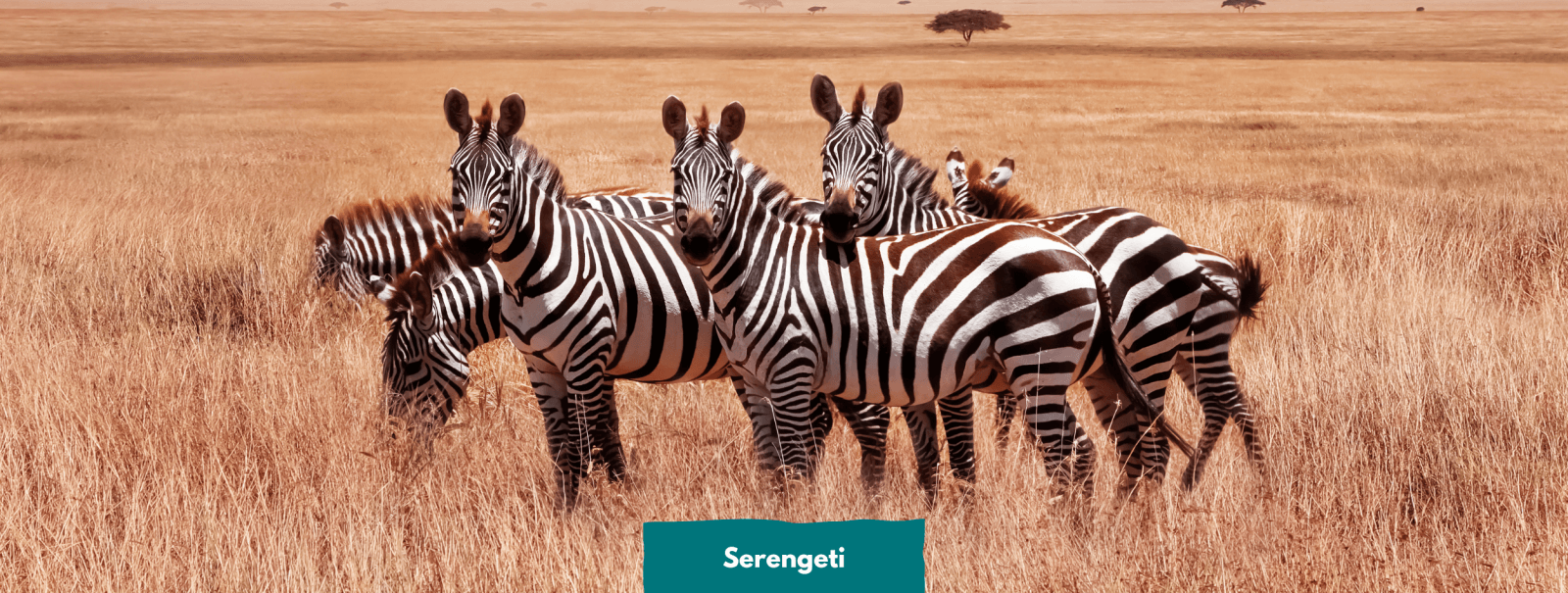
Serengeti National Park is one of Africa’s most famous wildlife reserves and the stage for the Great Migration, an annual circular journey of about 1,000 kilometres across Kenya and Tanzania. The park covers about 14,763 square kilometres, and its diverse habitats support lions, leopards, elephants and giraffes. The best time to visit is the dry season, from June to October, when the grass is low and the animals gather around water sources, making them easier to spot. The herds spend December to March in the southern Serengeti, which includes the calving season, and in August and September they cross the Mara River in the north.
Best time to visit Victoria Falls
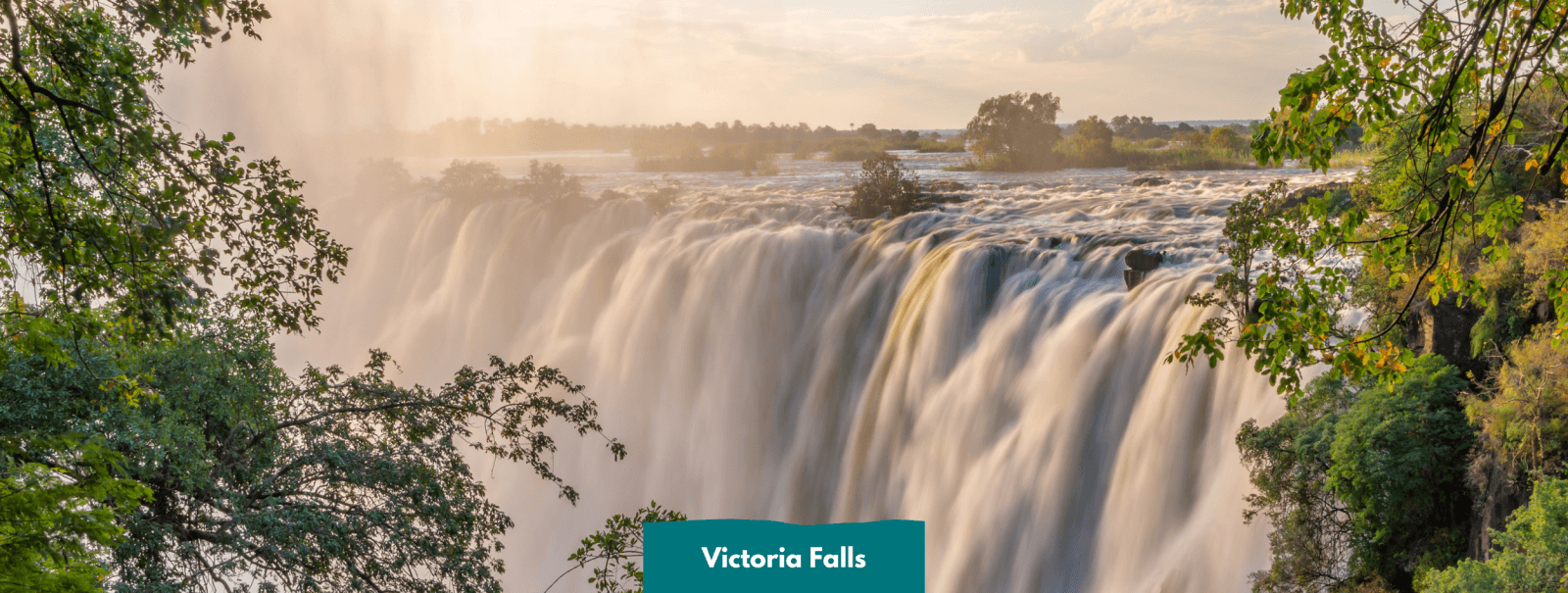
Victoria Falls is one of Africa’s most spectacular natural wonders, known as the “smoke that thunders.” On the border between Zambia and Zimbabwe, it is described by UNESCO as the largest curtain of falling water in the world, about 1,700 metres wide, and its spray can be seen from 30 kilometres away. The water is high from February to July and at its peak in March and April, when the thunder is constant, the rainbows are frequent and the spray is so heavy that some viewpoints lose visibility. From August to January the water drops, the rock and gorge show clearly, and Devil’s Pool on the Zambian side opens from mid August, subject to conditions. April and September sit between the two.
Best time to visit Mount Kilimanjaro
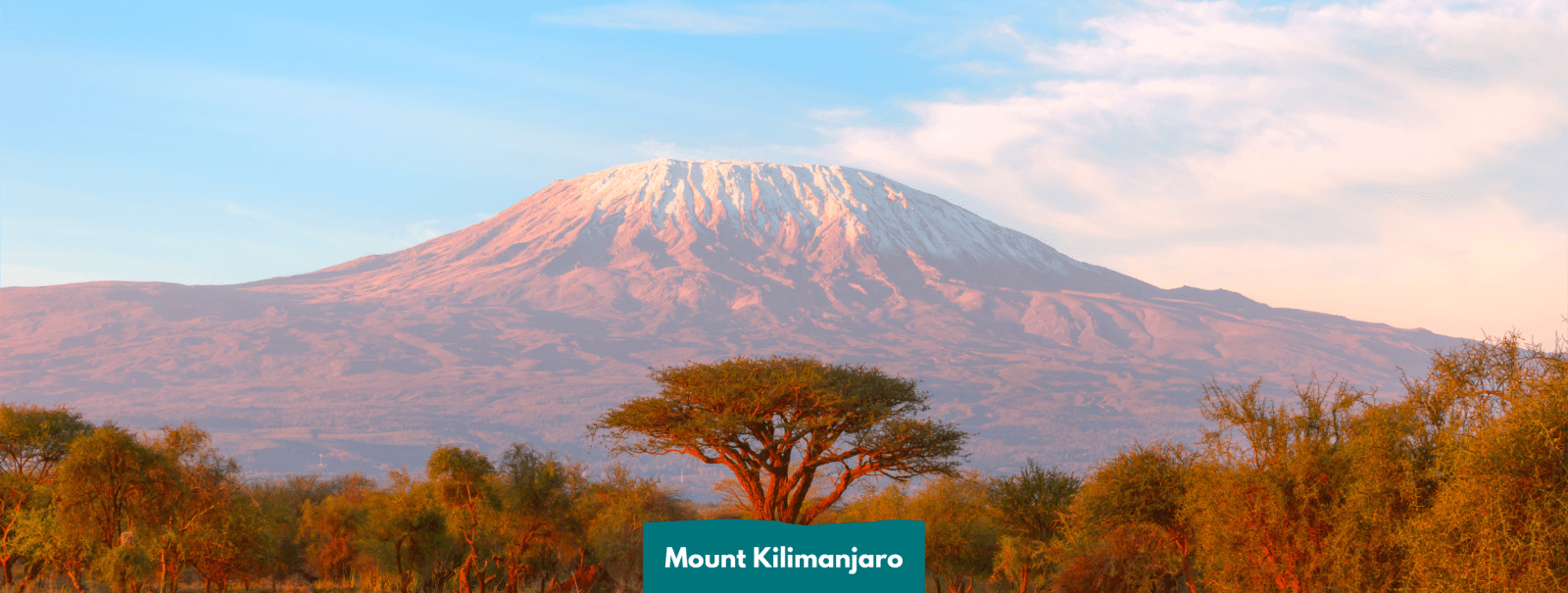
Mount Kilimanjaro is Africa’s highest mountain, rising to 5,895 metres above sea level in Tanzania, and it draws hikers and climbers from around the world. The best times to climb are late June to October and December to mid March, when the trails are drier and the weather is more settled. July to September is the busiest period. The long rains from late March to May turn the trails muddy and bring more cloud, and the short rains come in November. Summit night is very cold all year, often between -10 and -20°C.
Best time to visit the Okavango Delta
The Okavango Delta is one of Africa’s most unique natural wonders, a vast inland delta in Botswana that supports an incredible diversity of wildlife, including elephants, lions, hippos, African wild dogs and 482 recorded species of birds. I have seen the hippos there myself. The best time to visit is May to September, the dry season, when the delta is in full flood and the animals gather at permanent water, which makes them easy to spot. It is also the busiest time, especially May to August, so book well in advance. January and December are quieter, but the rains make wildlife harder to see.
Best time to visit the Ngorongoro Crater
The Ngorongoro Crater is a World Heritage site in Tanzania and one of the most unique natural wonders in Africa. UNESCO describes it as the largest unbroken caldera in the world, and it is home to lions, elephants and zebras. The best time to visit is June to October, in the dry season, when the grass is low and the animals are easy to spot. It can get crowded, so book in advance. December is good for birds, and for cheetahs, giraffes and hyenas in the conservation area.
Best time to visit the Masai Mara National Reserve
The Masai Mara National Reserve is one of Kenya’s most famous wildlife reserves, known for its annual wildebeest migration. It covers 1,510 square kilometres and is home to lions, cheetahs and gazelles. The best time to visit is July to October, in the dry season, when the herds arrive from the Serengeti, the Mara River crossings peak in August and September, and some herds stay on for the months that follow. It can get crowded, so book in advance.
How to plan your trip to Africa’s natural wonders
Planning a trip to Africa’s natural wonders starts with the season, the climate and the location. Research the best time to visit each destination, and think about accommodation, transport and safety. Book early. For safaris in the migration months, 12 months or more ahead is common, and the smaller camps often sell out a year or more ahead. My article on where to go and when covers the rest of the world, and my page on safari holidays in Africa shows where I can take you.
As a travel agent I have 30 years of adventure travel experience, and I have visited around 80 countries myself, so my advice comes from experience and not from a brochure. This is a personal service from start to finish. I plan the route and book every part of it, and if anything changes while you are travelling, you call me and I deal with it.
Call or WhatsApp 0117 452 1159 or email bridget@worldclassadventures.co.uk
More Inspiration: