Where to Go and When
The Best Time to Travel: When to Plan Your Dream Adventure
The world is vast, diverse and full of experiences, but timing is everything. The right trip is not only about where you go. It is about when you go. Seasons can make or break an experience, whether you are chasing the Northern Lights in Norway, the Great Migration in Africa or Japan’s cherry blossoms.
Over the years I have learned, sometimes the hard way, that travelling at the right time can mean fewer crowds, better weather and, in some places, lower prices. Here is my guide to when to visit different regions of the world. Treat the months as a guide, because weather changes from year to year.
Africa: Safaris, Wildlife and the Great Migration
Southern Africa’s seasons are the reverse of Europe’s, and East Africa has its own pattern of dry seasons and rains. For a safari in Kenya and Tanzania:
- Best for wildlife: June to October is the main dry season, with January and February also dry
- Great Migration: herds reach the Serengeti’s northern edge from July, the Mara River crossings peak in August and September, and the herds head south again in October
- Rains: the long rains fall from about March to May, and the short rains arrive in November
Earlier in the year the herds are in the southern Serengeti, where the calving season runs from February to March. My guide to the best time to visit Africa goes destination by destination, and my page on safari holidays in Africa shows where I can take you.
I have done safaris in both peak and off-peak seasons, and shoulder seasons (the weeks before or after the busiest months) are my favourite. The landscapes are lush, the animals are still active, and you are not jostling for space at every lion sighting.
Antarctica: One Season, Five Months
There is only one time to visit Antarctica, and that is November to March. Each month offers something different:
- November: penguins courting, deep snow and more than 20 hours of daylight, with fewer whales
- December and January: penguin chicks hatch and the season is at its busiest
- February: chicks in crèches and whales that are relaxed around the ships
- March: whales close to the Zodiacs, penguins moulting and lower prices
You can see the kinds of journeys I plan on my page for small group adventures in the polar regions.
The Arctic: Midnight Sun or Northern Lights
The Arctic is a completely different place. What you see depends entirely on when you go. In Iceland:
- Midnight sun and warmer weather: late May to early August, with around 20 hours of light in late May and more around the June solstice
- Northern Lights: September to early April, and darkest from December to February
I made the mistake of visiting Iceland in May once, hoping for the Northern Lights. The sky never got dark enough. If you want to see the aurora, you need the dark months, and I saw displays on my own September voyage from Norway to Iceland, which I wrote about in Northern Lights Explorer: My Arctic Adventure with Aurora Expeditions.
Asia: Choosing the Right Season for Each Region
Asia’s weather varies a great deal from country to country, so the season you choose matters.
- Japan: cherry blossom begins in Kyushu in March and moves north to Hokkaido by April or early May. Tokyo, Kyoto and Osaka usually peak from late March to early April, and each bloom lasts only a week or two. Autumn colour comes in October and November. The rainy season is June and July, and Golden Week in late April and early May is busy
- South Korea: cherry blossom peaks in late March and early April, and autumn colour runs from mid-October to early November. The summer monsoon starts in June
- Thailand: November to February is cool and dry. The west coast, including Phuket, is best from December to March, and the Gulf coast is best from April to September
- Vietnam: the north is best in March and April and from September to November. The south is dry from December to May
- Cambodia: the dry season is November to May, and the wet season runs from June to October
- India: December to early March is the best time, and the monsoon runs from about June to August
- Sri Lanka: the west and south coasts are best from December to March, and the east coast is driest from May to August
- Nepal: the best trekking months are March and April, and September to November. The monsoon runs from June to mid September, and trekking is discouraged then
One of my favourite travel memories is watching the sunrise over Angkor Wat in December. There were no crowds, only golden light spilling over the temple ruins. That is not typical, because December to March is the busiest stretch at Angkor, so conditions vary from year to year.
For routes and group departures, see my pages on small group adventures in Asia and trekking holidays in Nepal.
Australia and New Zealand: Weather You Will Enjoy
For the best weather without the summer crowds:
- Southern Australia, including Sydney and Melbourne: spring (September to November) and autumn (March to May) are ideal
- The Top End: the dry season runs from May to October and the wet season from November to April
- The Red Centre: April to October is best, and from November to March daytime temperatures are often too high for hiking
- The Great Barrier Reef: April to October is the best period, and April and May are best for avoiding crowds
- New Zealand: autumn (March to May) brings colour, with the foliage at its best in April, and May is low season. Summer (December to February) is the peak
Summer in the south (December to February) is the busiest time for beaches and holidays, and inland Australia becomes very hot. My seasonal guide to New Zealand covers each time of year, and you can see more on my page for small group tours in Australia, New Zealand and the South Pacific.

Central and South America: Best Months to Go
It depends on where you are headed:
- Central America: January to March is dry and sunny in most countries. Costa Rica is driest from late December to April
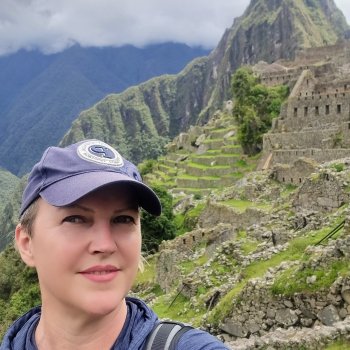
- Peru: the dry season runs from May to October, and June to August is the busiest period for Machu Picchu and the Andes. The wet season runs from November to April, with the heaviest rain in January, and the Inca Trail closes in February
- Peru’s quieter months: April, May, October and November balance good weather with fewer visitors
- Patagonia: December to February is the peak trekking season. March and April are quieter, with autumn colour, and trekking largely stops from May until October or November
- The Amazon: in Peru, the drier months are May to September, and the rains begin in November. In Brazil, the wet season runs from January to June and the dry season from July to December
Even in the rainy season, the word “rain” need not put you off. In Costa Rica from May to August and in November, mornings are usually clear and the rain often comes in the afternoon and lasts a couple of hours, and the downpours and coastal breezes can bring relief from the humidity. In Nicaragua it is typically an hour in the afternoon. September and October are the exception, the rainiest months in most of Costa Rica.
My pages on Peru and multi-centre holidays in Latin America go into more detail, and you can see the range of trips on my page for small group adventures in Central and South America.
Europe: How to Avoid Crowds and Enjoy the Best Weather
Europe is good all year, but if you want the best mix of weather and fewer crowds:
- Spring and early summer (April to June): mild, long days and fewer visitors than in high summer. May brings Amsterdam’s tulips
- Autumn (September to October): warm in the south, with grape harvests in Tuscany and the Douro Valley in late September
- Winter (December to March): Christmas markets in Germany, Austria and France, and snow in the mountains. January is quiet in Seville and Lisbon, where daytime temperatures are mild
Mediterranean summers (July and August) are hot and busy, with August the peak, so if you can, aim for the shoulder seasons. November is the quietest time for the big attractions in Paris and Rome. See my page on small group adventures and escorted touring in Europe.
The Middle East: Finding the Right Months
The Middle East gets very hot in summer, so the best travel months are:
- Spring (March to May) and autumn (September to November): comfortable for exploring
- Winter (December to March): the best time for Dubai, where July days of 40°C are common and August can reach 41°C
Petra is at its best from March to May and from September to November. In summer, afternoons in Jordan can pass 35°C, and hiking in that heat is something to plan around. Visit Jordan advises entering Petra when it opens at 6am, covering the exposed stretches early, resting through the middle of the day and returning in the late afternoon. Winter is the quietest season, with some rain, and the Siq can close when there is a risk of flash floods. My page on small group tours in the Middle East covers Jordan, Oman, Israel and Palestine.
North America: Best Seasons by Region
The United States and Canada cover many climates, so here is a quick breakdown:
- National parks: April to June and late September to October suit most parks. Death Valley is best in spring, Zion and Bryce Canyon in May, and the Grand Canyon’s North Rim reopens in late May. The Everglades are best from December to April
- Autumn colour: in New England the peak comes from late September in northern Vermont, northern New Hampshire and northern Maine, to early October in central areas, mid-October in the southern Berkshires and coastal Maine, and late October in Massachusetts, Rhode Island and Connecticut. In the Rockies, aspen colour in Rocky Mountain National Park normally runs from the third week of September to mid-October. Drought or an early frost can bring it forward or cut it short
- Alaska: roughly mid May to mid September, with long days and wildlife from May to September, and June to August the peak. Daylight reaches about 19 hours in Anchorage at the summer solstice. The Northern Lights show from late August to early April, best in February and March around Fairbanks
- The Caribbean: hurricane season runs from 1 June to 30 November and is most active from mid August to mid October, so December to May falls outside it
Summer is peak season in the parks, and Grand Canyon temperatures can approach 40°C. Late September and October are warm but not too hot in most parks, with lower accommodation rates and autumn colour in forested parks such as Grand Teton. October is also rutting season for moose, elk, bison and antelope. See my page on small group tours in North America.
Why Timing Matters for Your Trip
Getting the timing right can mean:
- Better weather
- Fewer crowds
- More wildlife sightings
- Lower prices in some destinations
As a travel agent I have 30 years of adventure travel experience, and I have visited around 80 countries myself, so my advice comes from experience and not from a brochure. Whether it is seeing a festival, avoiding the monsoon or catching a natural phenomenon, timing makes the difference.
FAQs: Your Travel Timing Questions Answered
Can I travel during the off-season?
Yes. You can save money, avoid crowds and sometimes have a more authentic experience. Check what “off-season” actually means where you are going, because rainy season in one place can mean brief showers, while in another it can mean full monsoon.
When should I book?
Earlier is better for peak seasons. For African safaris in the migration months and for Antarctic and Arctic expedition cruises, 12 months or more ahead is common, and the smaller camps and lodges often sell out a year or more ahead. My article on when to start planning your holiday explains why January matters.
How do I know the best time for my trip?
That is where I come in. I work out the season based on what you want to see, do and experience.
Planning Around the Season
This is a personal service from start to finish. I plan the route and book every part of it, and if anything changes while you are travelling, you call me and I deal with it.
Call or WhatsApp 0117 452 1159 or email bridget@worldclassadventures.co.uk