Florence, Rome and Naples: A Practical Guide to Italy's Three-City Itinerary
I have just come back from Florence, Rome and Naples, and I am already thinking about when I can go again. That tells you most of what you need to know.
This is a route that makes genuine sense. The three cities are connected by high speed rail, each one is completely different in character, and together they give you history, food, art and scenery in quantities that will take you a while to process. I spent six days across all three earlier this year, inspecting hotels, testing excursions, and eating my way through as much as I could manage. Here is what I would tell anyone planning the same trip.
Florence: beautiful even in a downpour
Most flights into Florence land at Pisa, about an hour from the city centre by road. Once you are there, the city is wonderfully walkable. The main sights are close together and the Arno river gives you a natural reference point as you navigate.
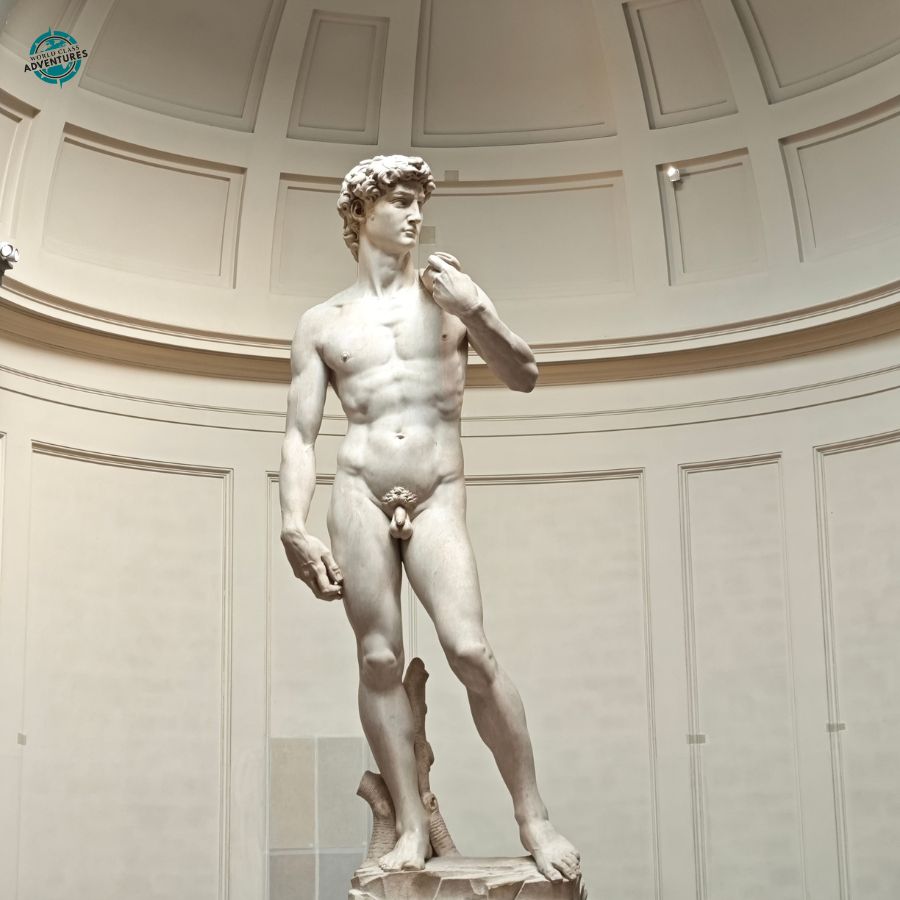
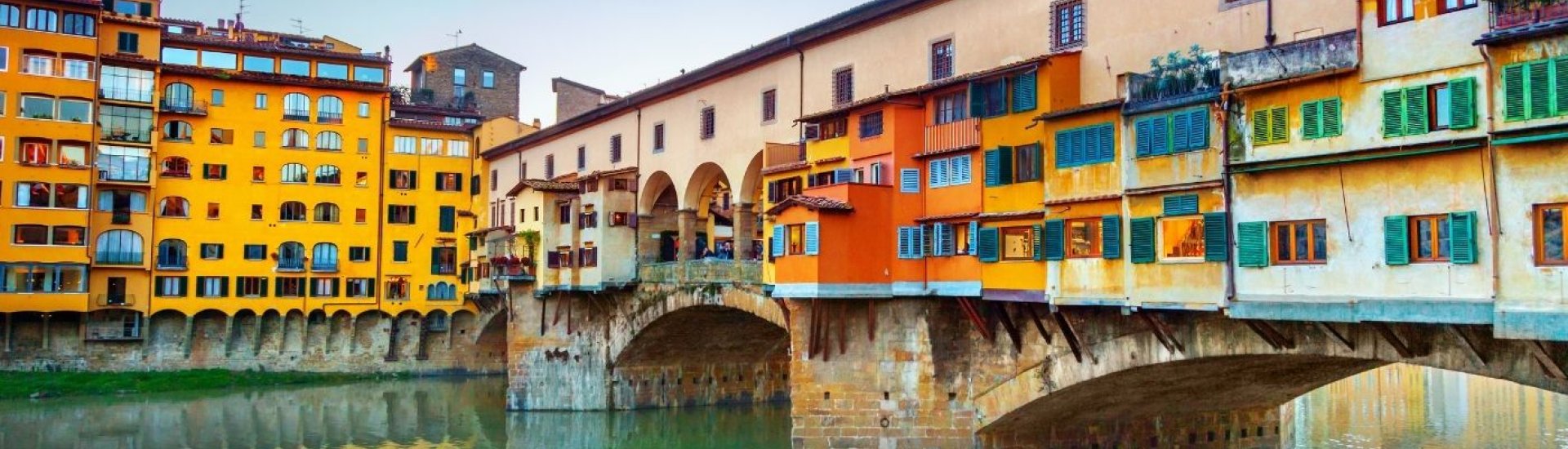
Start with Michelangelo's David at the Galleria dell'Accademia, and book in advance. Then work outwards from there, taking in the Duomo, the Ponte Vecchio and the streets around the Uffizi. I was there in heavy rain for an entire day and it did not matter in the slightest. Florence in a downpour is still Florence, and the streets were still full of people who had clearly reached the same conclusion.
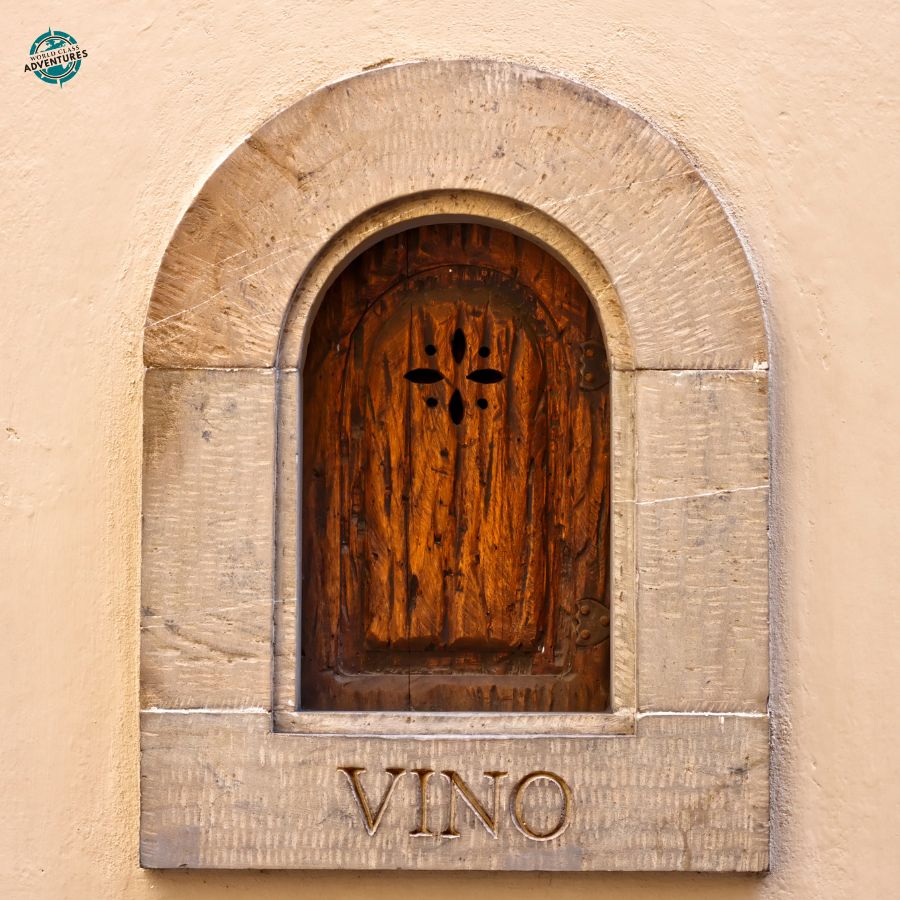
A couple of things I would not skip. The wine windows tour is a genuinely Florentine experience, visiting the small hatches in historic walls through which wine has been sold for centuries. In the evening, with an olive oil tasting thrown in, it made for one of the best nights of the trip.
For food, All'Antico Vinaio on Via dei Neri has become something of an Instagram legend, and the original shop absolutely lives up to the reputation. Around €14 for an enormous stuffed focaccia sandwich and a drink is extremely good value, and the staff are as entertaining as the food is good. And if you do nothing else that has nothing to do with art, sit in the Gilly Café, reputedly the city's oldest, and order the drinking chocolate. It is so thick you can stand a spoon up in it. I also came home with an entirely unreasonable level of expertise on how to identify good gelato, which I am inflicting on anyone who will listen.
Rome: go up before you go anywhere
The high speed Italo train from Florence to Rome takes just under two hours. It is clean, comfortable, and easy. One practical note: if your ticket does not have a QR code on it, validate it at the machines in the station before you board. This catches people out regularly and the consequences are not pleasant.
.jpg)
My single most useful tip for Rome is this: go to the Vittoriano in Piazza Venezia before you do anything else. Pay the €18, climb to the roof, and spend twenty minutes looking at the 360 degree view across the city. You can see the Colosseum, the Roman Forum, the Vatican, and most of the major landmarks from up there. It saves an enormous amount of unnecessary walking and gives you an immediate sense of how the city is laid out. I only wish someone had told me this the first time I visited Rome.
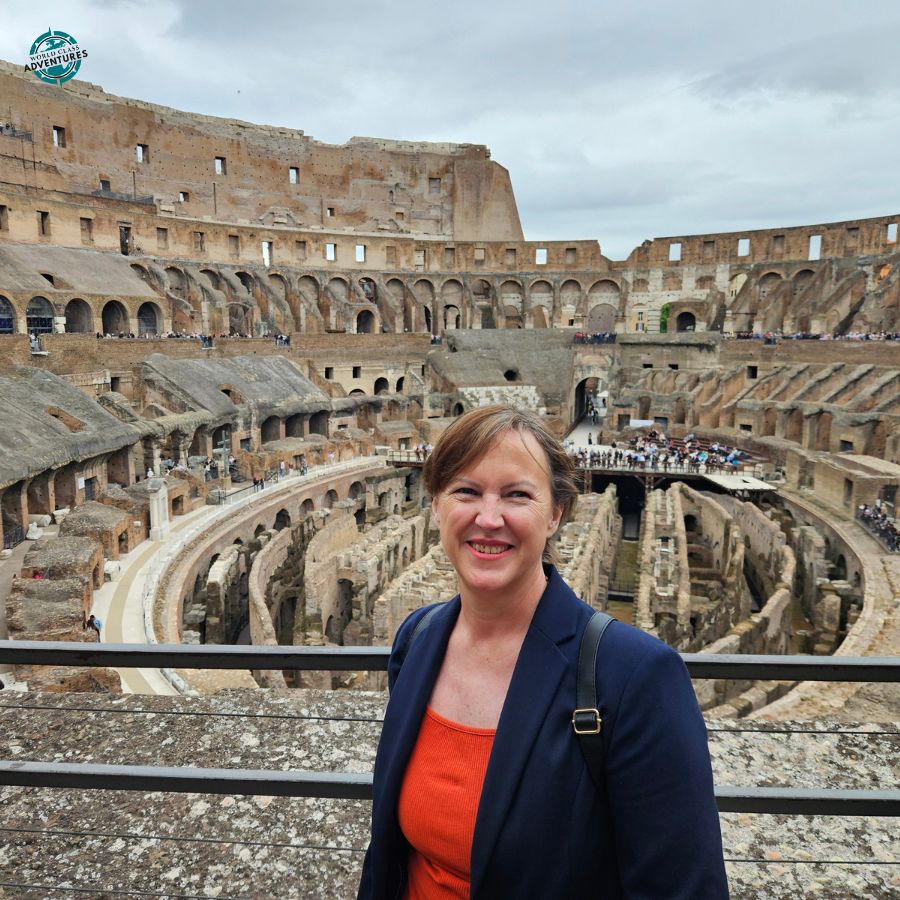
The Roman Forum and the Colosseum are a natural pairing, and a knowledgeable guide transforms both. The layers of history spanning different emperors and periods are fascinating when someone brings them to life. The Vatican deserves a half day on its own. Take your passport, as it is a separate state and entry requires it. The spiral double helix staircase at the museum entrance is a remarkable piece of architecture that most people walk straight past. The Sistine Chapel is at the far end of the museum and well worth the journey. Sit and look at the ceiling properly rather than filing past. It is also extremely hot inside and there is no air conditioning, so a small handheld fan is one of the most practical things you can pack.
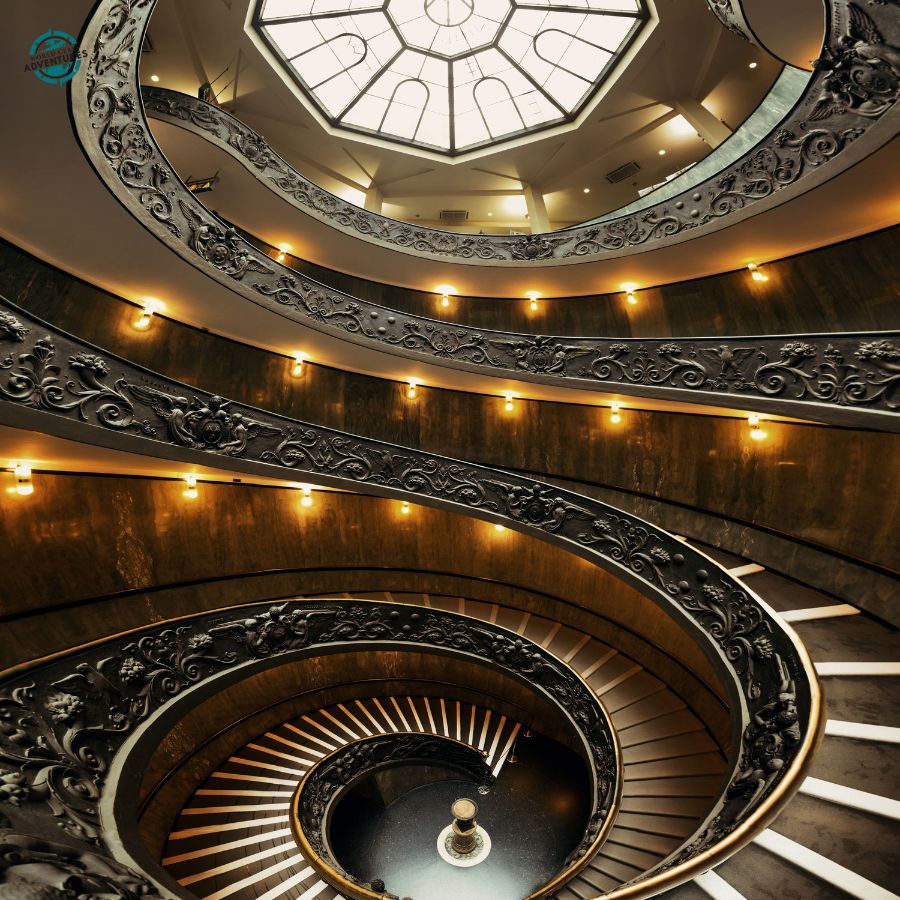
For food in the evening, a guided tour through the streets around Piazza Navona is a brilliant way to see a different side of the city. Trapizzino, a triangular pocket of pizza dough stuffed with slow-cooked meat, is the street food of Rome and I am still thinking about it. If you are passing through Rome Termini, the central market inside is worth a visit even if you are not hungry. Inexpensive, buzzing, and far more authentic than most of the surrounding tourist restaurants.
For more on travelling around Europe by train, take a look at my guide to high-speed rail travel in Europe.
.png)
Naples: use it as your base, not your destination
The high speed train from Rome to Naples takes around an hour and a half. Naples is louder, busier and less polished than Florence or Rome, and it is worth being honest about that before you arrive. It has a rawness to it that some people love and others find overwhelming. Either way, its greatest value is as a gateway to some of the most extraordinary places in the whole of southern Italy.
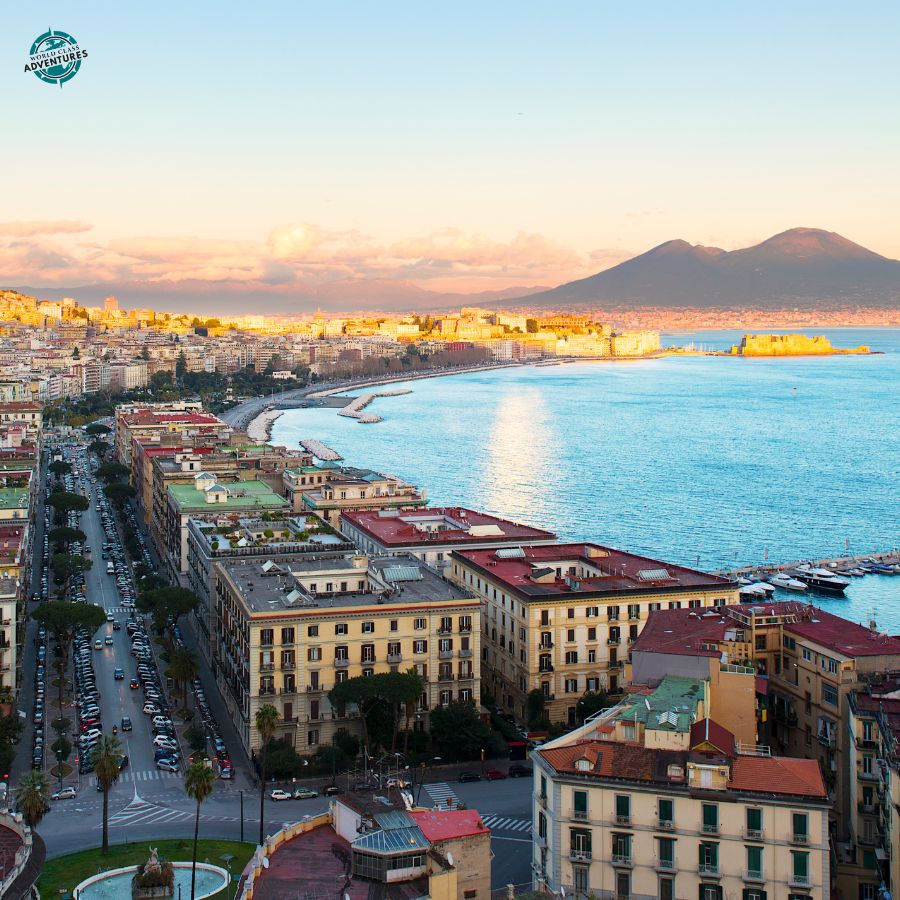
On arrival, go straight to the panoramic viewpoint above the bay. On a clear evening you can see the whole sweep of the coastline spread out in front of you, from Naples across to the Sorrentine Peninsula and the Amalfi Coast beyond, with Capri sitting just off the coast and Vesuvius visible across the water on the far side of the bay. It is a genuinely stunning view and, like the Vittoriano in Rome, it puts everything into immediate context.
Going further: Pompeii, Sorrento and the Amalfi Coast
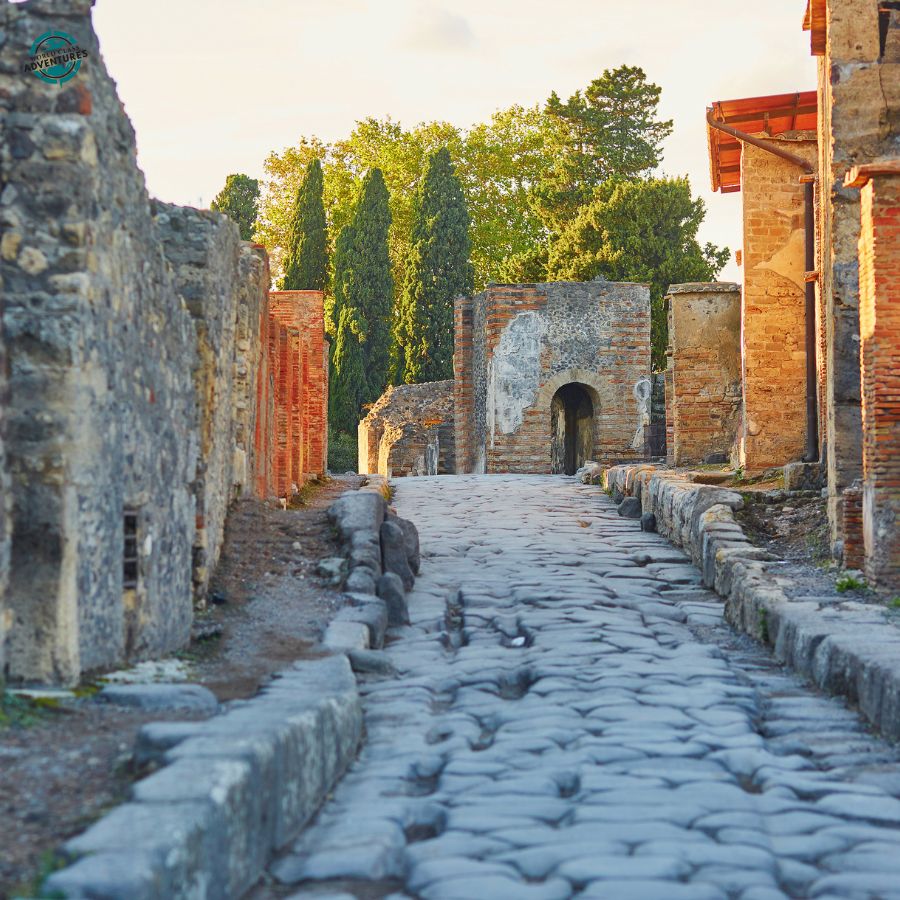
Pompeii is about thirty minutes from Naples and absolutely worth a day. I visited it first in 2002 and found it just as compelling on a return visit. The archaeologists have uncovered more of the site since then, and a good guide makes the difference between a fascinating insight into how people actually lived and a very long walk among old ruins. If time allows, Herculaneum, also buried by Vesuvius, is nearby and worth combining into the same day.
Sorrento and the Amalfi Coast are the other obvious extension. The ferry from Naples to Sorrento is a far more enjoyable way to travel than the road, and gives you a completely different perspective on the bay as you cross.
For guided tours, cookery classes and excursions across all three cities, I work with Towns of Italy as my preferred specialist ground operator. Their local guides are excellent and the range of experiences they offer goes well beyond the standard. If you would like to include any of this in your itinerary, I can arrange it as part of your trip.
Planning your trip
A week to ten days works well for this route. Two full days in Florence, two to three in Rome, and one to two in Naples with extensions as you wish. Flying into Pisa and out of Naples avoids retracing your steps and makes logistical sense.
If you would like help putting an itinerary together that suits how you like to travel, I would be glad to hear from you. Email bridget@worldclassadventures.co.uk or call 0117 452 1159.