Europe by High-Speed Train
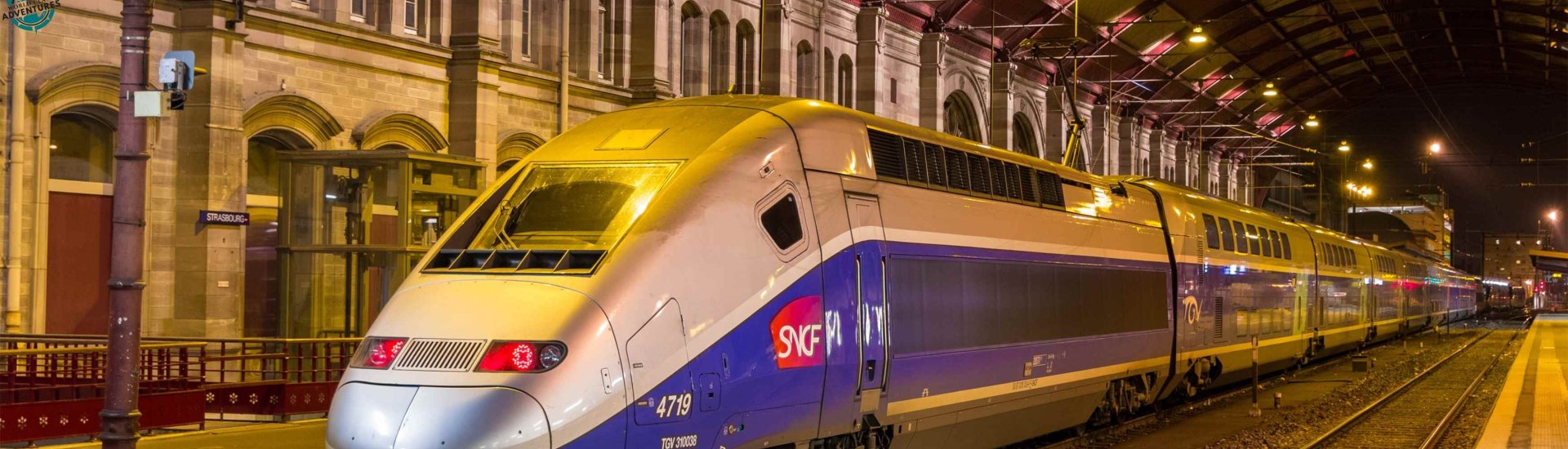
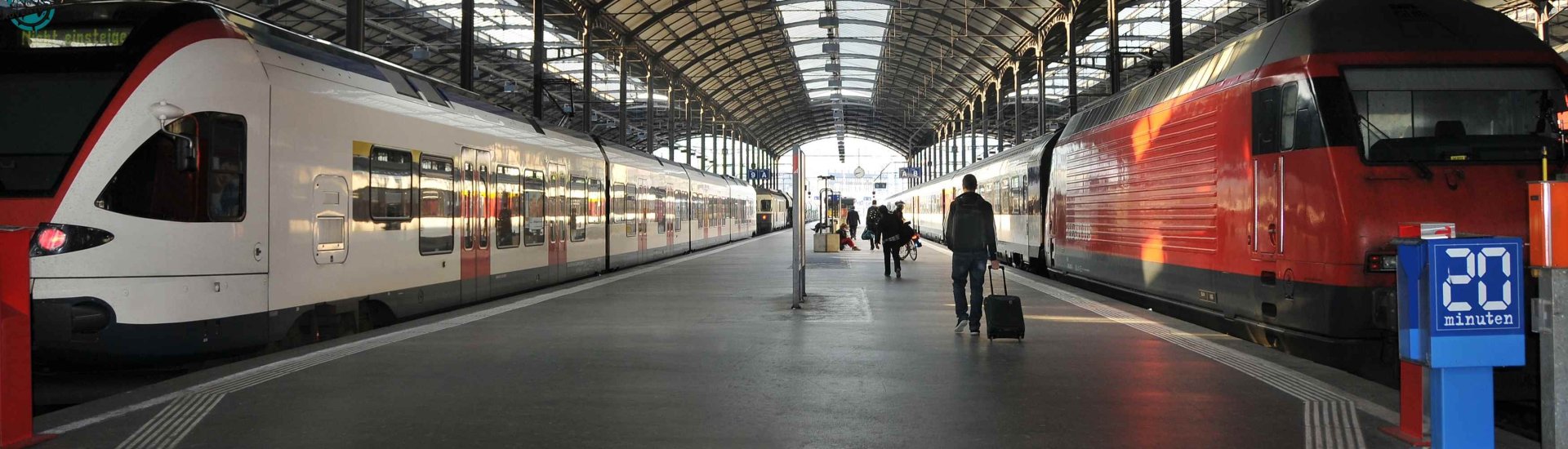
Europe’s fast trains have changed what a short break can be. You can have breakfast in London and lunch in Paris, and the day still feels like a holiday, because the journey is part of it rather than the price you pay to get there.
That is what I plan for my clients. You board in the centre of one city, your seat is already reserved and your luggage is on the rack beside you. There is no airport an hour out of town, no security queue and no wait at baggage reclaim. The next time you think about logistics is when you step off in the centre of another city, close to where you want to be.
Three Ways to Begin
London to Paris, Brussels or Amsterdam
From St Pancras, Eurostar takes about 2 hours 16 minutes to Paris and about 1 hour 53 minutes to Brussels, city centre to city centre. Amsterdam has a direct train as well, about 4 hours 19 minutes with no change, so a long weekend there needs no flight. My guide to city breaks by train or plane explains when the train is the better choice and when it is not.
Florence, Rome and Naples
Italy’s three-city route was made for the train. Florence to Rome on the Italo takes just under two hours, and Rome to Naples takes about an hour and a half, so you spend your time in the cities and not between them. I describe the whole route in my guide to Florence, Rome and Naples.
Madrid to Barcelona
The fastest trains cover this route in about 2 hours 30 minutes at up to 310 km/h, and Renfe, Iryo and Ouigo all run it. It is easy to get right and easy to get wrong. One slow Renfe train a day takes about nine hours on the old line, so I make sure the train you are booked on is one of the fast ones.
Those three are starting points. If you would rather build a longer trip around the trains, my self-guided holidays in Europe can include city-to-city rail travel with time to explore when you arrive.

Waking Up Somewhere New
A night train turns the journey into the first night of the trip. You board in the evening, go to sleep and wake up in a different country. European Sleeper, for example, runs between Paris and Berlin and between Brussels and Prague. You can book a seat, a place in a shared couchette, or a sleeper compartment with a washbasin and breakfast included. The seat costs least and rests you least. Night routes change from year to year, so I check what is running when I plan your dates.
The Details I Take Care Of
The trains are easy. The small print around them is where a trip goes wrong, so I deal with it before you leave.
Luggage is a good example. Eurostar does not weigh your bags, but you do have to carry them on and off the train yourself, and the allowance on Standard and Plus tickets is two pieces, each up to 85 cm on London routes, plus one hand item. On Spain’s fast trains a seat reservation is compulsory, and Ouigo, the low-cost operator, charges for suitcases. Leaving the UK by Eurostar, you may be asked to register your fingerprints and a photo at a kiosk in St Pancras under the EU’s Entry/Exit System, so I tell you to allow extra time at the station.
I also build in the connections between operators, so one late train does not undo the rest of the day.
Why Book With Me
This is a personal service from start to finish. I plan the route and book every part of it, and if anything changes while you are travelling, you call me and I deal with it.
My Rail Holidays and Great Train Journeys page covers journeys further afield. My article on great rail journeys from around the world has 21 rides, 19 of them chosen by travel bloggers, and my article on slow travel by rail is for trips where the train is the holiday itself.
Call or WhatsApp 0117 452 1159 or email bridget@worldclassadventures.co.uk