Five Destinations I Would Send Any Adventurous Traveller To
We all have that list of places we would love to visit one day. These five are well known, and each rewards the planning you put into it. I have been to two of them myself, Peru and the Serengeti, and I have researched the other three for this article.
1. Machu Picchu, Peru
Machu Picchu is an Inca citadel built in the 15th century, high in the Andes. It was abandoned after the Spanish conquest and became known to the outside world in 1911. It is a UNESCO World Heritage Site, and it sits at 2,430 metres.
I went by train, and arriving was emotional in a way I had not expected. Even with the crowds and the tight timings, the setting and the scale are remarkable. Entry is by timed slot and by route, so the time on your ticket shapes the whole day. I wrote about the trip in my Peru article.
Cusco sits at 3,399 metres, higher than the citadel, so I add nights in the Sacred Valley first, which lets you adjust before you climb.
If you would rather arrive on foot, the Inca Trail allows 500 people a day, including guides and porters. Permits sell out months ahead, so book five to six months before you travel, especially for May to August. The trail closes every February for maintenance. My Peru trekking holidays include it.

By Pedro Szekely at www.flickr.com/photos/pedrosz/
2. The Great Barrier Reef, Australia
The Great Barrier Reef runs for about 2,000 kilometres along the Queensland coast. It is made up of about 2,500 individual reefs and over 900 islands, and UNESCO describes it as the most extensive coral reef ecosystem in the world. More than 1,500 species of fish live there, along with six of the world’s seven marine turtle species.
You can go snorkelling or diving, or take a boat trip to see the reef. The dry season from May to October is generally the best time, with clear skies and the best visibility, and humpback whales pass through from June to September or October. From November to April it is hot, wet and humid. Jellyfish are present all year and are a particular risk in summer, so wear a stinger suit.
Choose a reef operator that follows the rule I apply to every wildlife experience: you watch the animals, and you do not chase, touch or feed them. My marine wildlife holidays page shows what I offer, and my self-guided Australia page shows how a trip there can fit together.
3. The Serengeti National Park, Tanzania
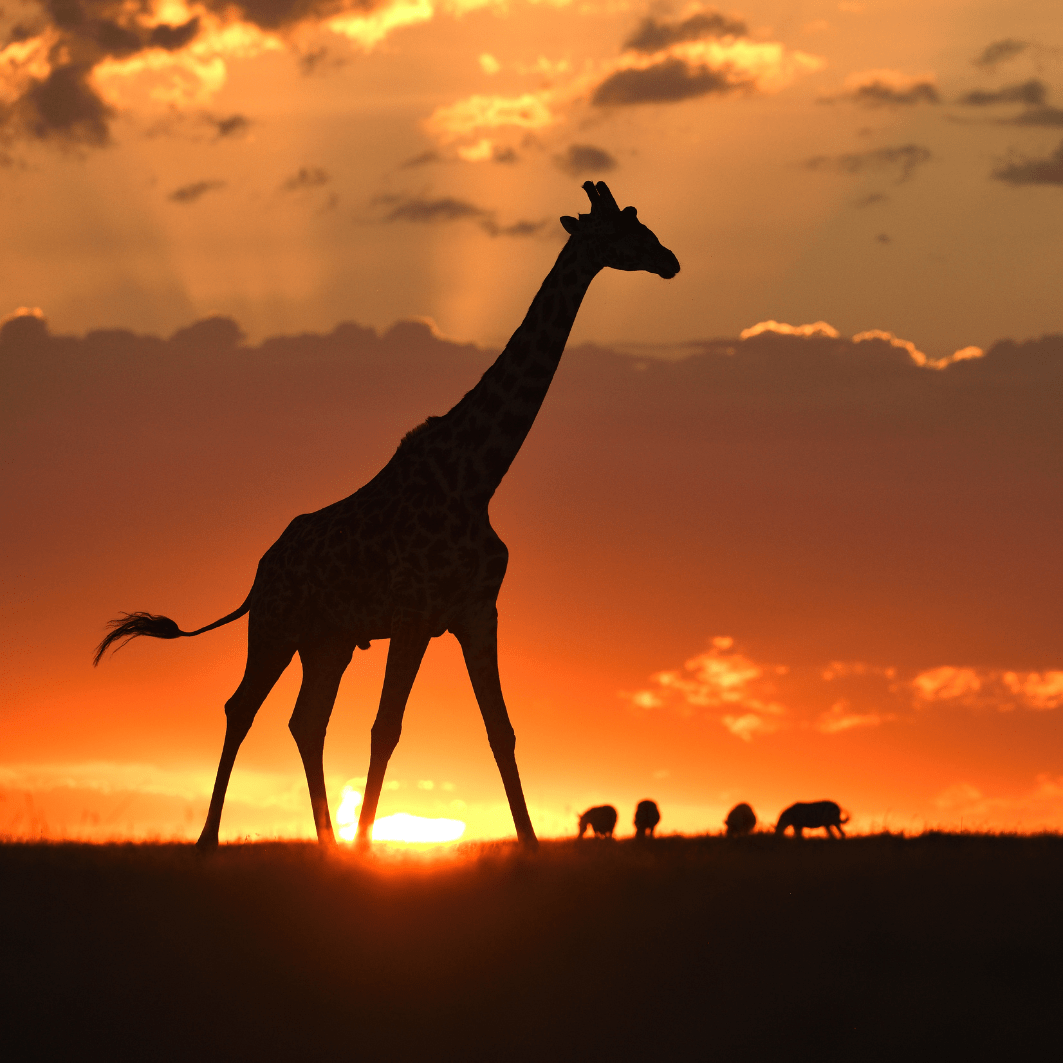
I have been to the Serengeti myself. It is one of the largest wildlife reserves in Africa and covers about 14,763 square kilometres, with lions, elephants, zebras and giraffes living there.
The Great Migration is the reason many travellers come. Huge herds of wildebeest and zebra move in a circle across Tanzania and Kenya in search of food and water. The herds spend December to March in the southern Serengeti, where the calves are born, and cross the Mara River in the north in August and September.
The dry season from June to October is the best time for game viewing, because the grass is low and the animals gather at water. For safaris in the migration months, booking 12 months or more ahead is common. My article on the best time to visit Africa covers each month, and my safari holidays in Africa page shows where I can take you.

4. The Taj Mahal, India
The Taj Mahal is a white marble tomb built by the Mughal emperor Shah Jahan in memory of his wife, Mumtaz Mahal. Building began in 1632 and the main structure was finished in 1648. It stands in a garden of nearly 17 hectares on the bank of the Yamuna River in Agra, and UNESCO ranks it among the universally admired masterpieces of the world’s heritage.
You can visit as a day trip from Delhi, or stay overnight in Agra and be at the gate early. The Taj Mahal is closed to general visitors on Fridays, and it opens 30 minutes before sunrise, so plan the day around both. My article on how to make the most of your time in India covers the country beyond Agra.
5. The Galapagos Islands, Ecuador
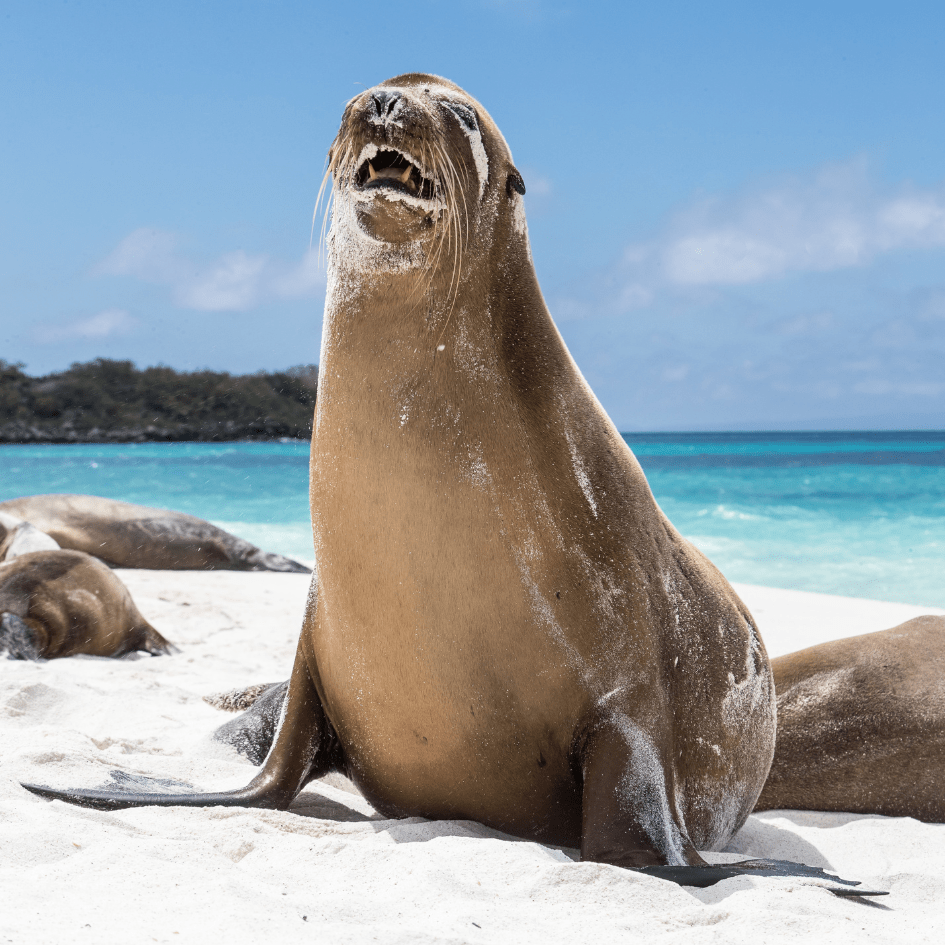
The Galapagos Islands are a volcanic archipelago in the Pacific, about 1,000 kilometres off the coast of Ecuador. UNESCO calls them a living museum and showcase of evolution. Giant tortoises, land and marine iguanas, sea lions, Darwin’s finches, flightless cormorants and the most northerly penguins all live there. Charles Darwin visited in 1835, and what he saw helped him develop his theory of evolution by natural selection.
The national park rules protect what you came to see. You visit protected areas with an authorised naturalist guide and an authorised operator, you stay on the marked trails, you stay at least two metres from wildlife even when it comes towards you, and you never feed it. My Latin America wildlife holidays page and my cruise and sailing adventures page show how a Galapagos trip can be arranged.
Planning for Each Destination
Each of these needs planning at a different point. Inca Trail permits sell out five to six months ahead, migration-season safaris 12 months or more ahead, the Taj Mahal needs a day that is not a Friday, and the Galapagos needs an authorised guide and operator.
Planning Your Destinations With Me
This is a personal service from start to finish. I plan the route and book every part of it, and if anything changes while you are travelling, you call me and I deal with it.
As a travel agent I have 30 years of adventure travel experience, and I have visited around 80 countries myself, so my advice comes from experience and not from a brochure.
There is a belief that travel agents cost more. Booking with me does not. Many suppliers charge the same price whether you book direct or through me, and others sell to the trade only, on contracts with competitive pricing. Either way you pay no more for having me plan and book the trip, and your booking carries ABTA and ATOL protection where stated on your booking. You can read more in why book with me.
Call or WhatsApp 0117 452 1159 or email bridget@worldclassadventures.co.uk
More Inspiration: