Thank you for signing up to our newsletter
- ABTA protected & ATOL bonded
- Part of Hays Independence Group
- 100% Privacy Guaranteed
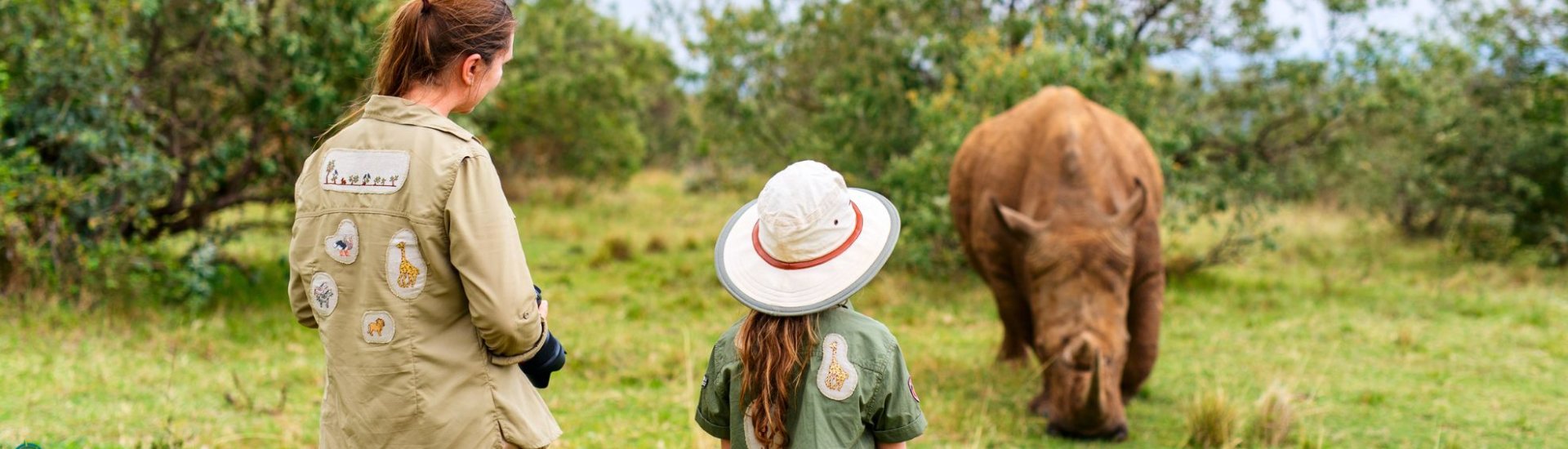
It often starts with something simple. A conversation over Sunday lunch. A milestone birthday on the horizon. A thought that the grandchildren are growing up fast and perhaps it’s time to do something together while everyone is still able to.
Multigenerational holidays are one of the fastest-growing parts of UK travel, and I can see why. More families are choosing to bring three (sometimes four) generations together for a single, shared trip. Not because it’s fashionable, but because it matters. Because time together is finite, and the window for these experiences is smaller than we think.
I plan these trips regularly, and I love them. They’re also, honestly, some of the most complex holidays I put together. But when they work, everyone is glad they did it. So if this is something you’ve been thinking about, or if you’re the one in the family who’s been tasked with “sorting it out,” this article is for you.
There’s often a real sense of urgency behind these trips. Families who have put off travelling together feel it most, and I hear things like, “We don’t want to wait any longer” and “My parents aren’t getting any younger.”
Bookings reflect this too, with UK holiday companies reporting more multigenerational trips. And it’s not only about a week at a villa in Spain (though there’s nothing wrong with that). Families are choosing safaris, river cruises, touring holidays, and multi-centre trips that give everyone something meaningful to take home.
What I find most interesting is who’s doing the planning. In many cases, it’s the grandparents. They have the time, often the budget, and the motivation to bring everyone together. If that sounds like you, I want you to know that this kind of trip can be done well. It needs the right thought behind it. If you’re in the early stages, my article on when to start planning your holiday is a good place to start.
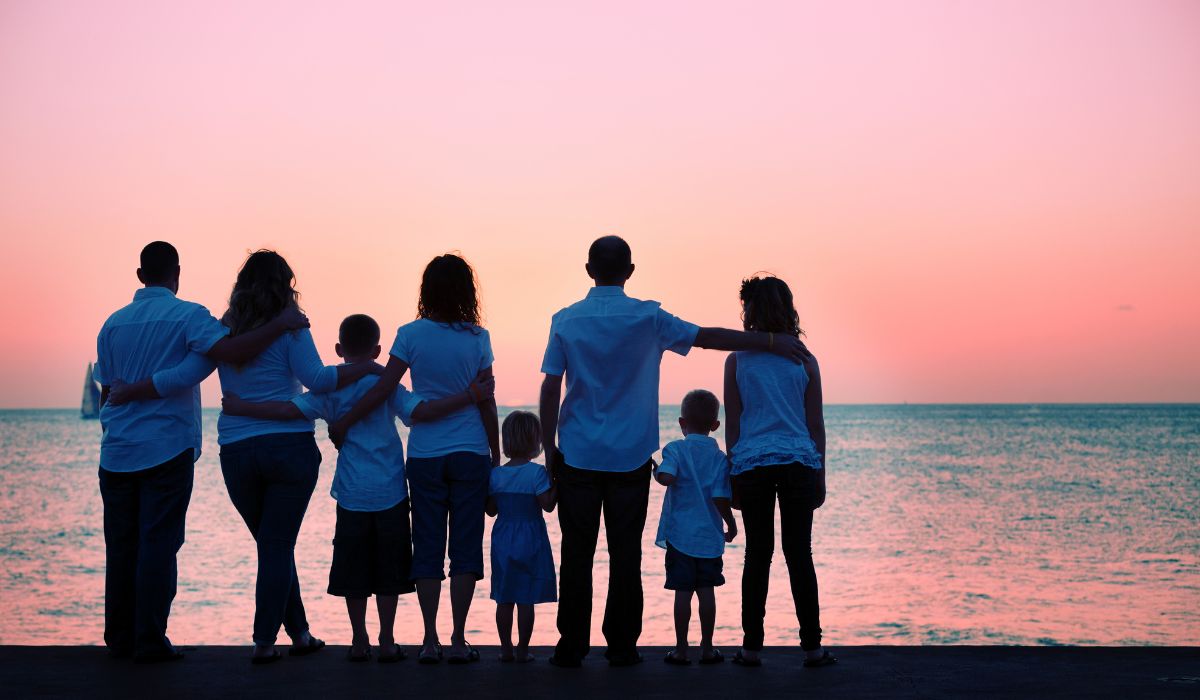
I’d be doing you a disservice if I made this sound easy. Multigenerational travel comes with layers that a regular couples’ holiday or solo trip doesn’t have.
You’re working with different energy levels. Different mobility needs. Different sleep schedules, different dietary requirements, different ideas about what constitutes a good day. A teenager’s dream morning (lie-in, phone, pool) looks nothing like a seven-year-old’s (up at dawn, asking questions, ready to go). And a grandparent recovering from a knee replacement has very different needs to a parent who wants to squeeze in a sunrise hike.
Then there’s the emotional side. Money can be a sensitive topic when one generation is funding the trip. So can decision-making, especially when everyone has a different opinion about where to go and what to do.
None of this should put you off. But it does mean that a bit of honest conversation before anyone books anything will save a lot of stress later. The best multigenerational holidays I’ve planned have all started with one thing: clear expectations. If the idea of managing all of this already feels like a lot, my article on stress-free holiday planning explains how I take that weight off your shoulders.
This is where families often get stuck, and I understand why. When you’re trying to find one place that a four-year-old, a forty-year-old, and a seventy-four-year-old will all enjoy, it can feel impossible.
My advice? Stop thinking about the destination first. Think about the experience you want to share.
Do you want to be active together or relaxed together? Do you want culture and history, or wildlife and nature? Does the group need to stay in one base, or is everyone happy to move between places? If you’re unsure what kind of trip suits your group best, my guide to choosing your tour style can help.
Once you’ve answered those questions, the destination tends to reveal itself.
A few that I come back to again and again for multigenerational groups:
South Africa is one of the strongest options I know. You can combine a family-friendly safari with beaches, excellent food, and a climate that suits older travellers well. Many of the private game reserves offer dedicated family programmes, and the malaria-free options in the Eastern Cape and at Madikwe Game Reserve mean one less thing to worry about with young children or grandparents on medication. Check current health advice with a travel clinic before you go. I’ve written more about planning wildlife holidays in my guide to planning a wildlife adventure.
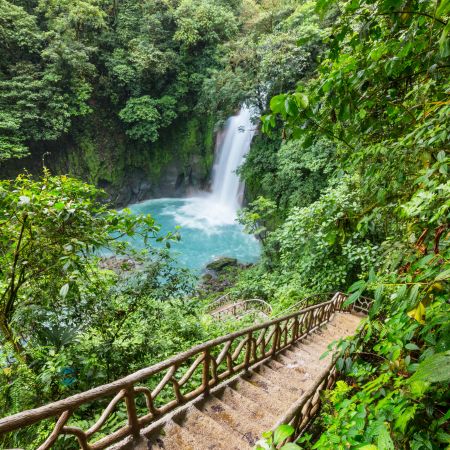
Costa Rica works well for active families. The infrastructure is excellent, the distances are manageable, and you can mix rainforest, volcanoes, and Pacific coast beaches without it feeling rushed. There’s plenty for teenagers to get involved with (zip-lining, white-water rafting) and enough slower-paced options (hot springs, wildlife spotting, coffee farm visits) for those who prefer a more relaxed rhythm.
A river cruise through Europe is another option I keep suggesting. The pace is built in, there’s no packing and unpacking, and the excursions are flexible enough that Grandad can sit one out without anyone feeling guilty. It also takes the logistics off the table entirely, which matters a great deal for a large group. If you’re new to cruising, my first-time cruise guide is a helpful starting point, and my article on Danube river cruising and coolcations covers a route I have cruised myself.
Canada is extraordinary for families who want space, scenery, and that feeling of being somewhere wild. A self-drive through the Rockies, a few days at a lakeside lodge, maybe a bear-watching excursion. It suits mixed ages because the pace is naturally slow, the accommodation is comfortable, and the landscape does the heavy lifting.
And for families who want warmth with substance, Thailand and Vietnam offer a combination of beach, culture, and food that keeps every generation engaged. Cooking classes, temple visits, river trips, and markets all work across ages. I’ve seen grandparents light up during a Thai cooking class just as much as the grandchildren. If you’re curious about why food is such a powerful part of travel, my article on how food helps you understand a place explores this further.
.png)
If there’s one thing I’d want every family to hear before booking a multigenerational trip, it’s this: slow down.
The biggest mistake I see is trying to do too much. Three cities in seven days might work for a couple travelling on their own, but add a toddler and a grandparent into the mix and you’ll spend more time in transit than actually enjoying anything.
I always recommend fewer bases and longer stays. It gives everyone time to get their bearings, reduces the physical toll of constant travel, and creates breathing room for those days when not everyone wants to do the same thing. I’ve written about this approach in more detail in my article on slow travel and fewer bases, and it applies even more strongly when you’re travelling as a mixed-age group.
Build in “choose your own” time. Not every activity needs to involve every person. It is fine for the grandparents to have a relaxed morning by the pool while the parents take the kids kayaking. In fact, it’s healthy. The trip will be better for it.
Where you stay matters more on a multigenerational trip than almost any other kind of holiday. You need enough space for togetherness and enough separation for sanity.
Villas and private houses work well for this. So do lodges, apart-hotels, and resorts with interconnecting rooms or family suites. What you’re looking for is a shared social space (a big kitchen, a terrace, a pool) and private retreating space for each generation.
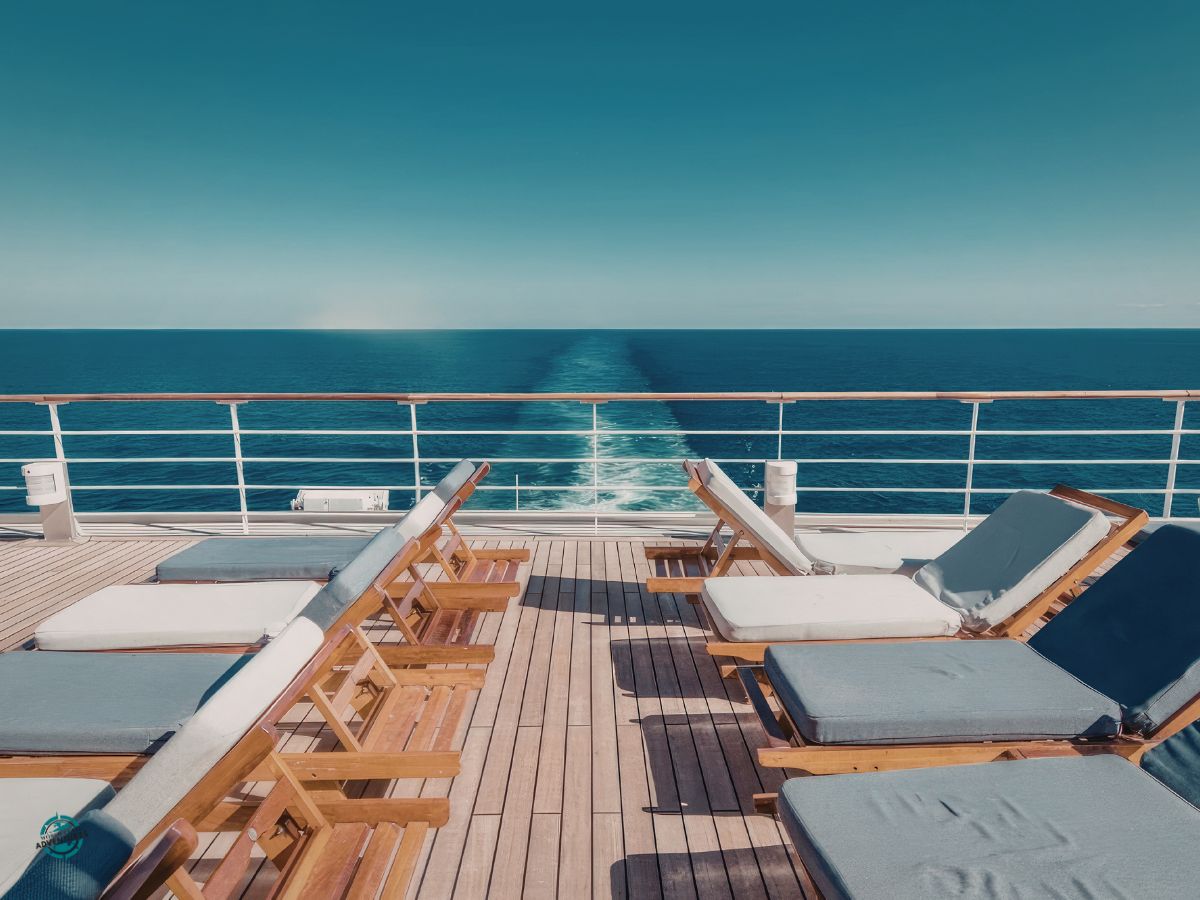
On safari, many lodges offer family tents or adjoining rooms that keep younger children close to parents while giving grandparents their own space. On a cruise, booking cabins on the same deck achieves a similar balance.
I’ll always check accessibility too. Ground-floor rooms, step-free access, grab rails in bathrooms. These things matter when you’re travelling with older family members, and they’re easy to arrange if you plan early. My article on accessible cruising covers some of this ground if cruising is on your radar.

To be honest, when grandparents are funding the trip, there can be an unspoken pressure to go along with everything. And when costs are being split, different budgets and different expectations about what “a holiday” means can create tension.
I’d always encourage families to have the money conversation early. Not in vague terms, but in specifics. Who is paying for what? Is the trip a gift? Are flights separate from accommodation? What about meals, excursions, and spending money?
It doesn’t need to be uncomfortable. It needs to be clear. I’ve seen families fall out over assumptions that could have been avoided with a ten-minute conversation before anything was booked.
When I’m planning a multigenerational trip, I’ll often present options at different price points so the family can see what’s possible within their budget. That transparency helps everyone feel included in the decision.
This is one of the areas where planning makes the biggest difference. When three or more generations travel together, the physical needs of each person can vary enormously.
It might be a grandparent who walks with a stick. A parent recovering from surgery. A child in a pushchair. Or someone who tires more quickly than the rest of the group and needs a midday rest.
The key is to factor this in from the beginning, not as an afterthought. That means choosing destinations with good infrastructure, accommodation with accessible facilities, and excursions that offer flexible pacing. Private guides are a real asset here because they can adjust the day as it unfolds, shortening a visit or building in extra stops without anyone feeling like they’ve held the group up.
I’ll always ask about mobility and health needs when planning these trips. Not because I want to pry, but because knowing the full picture means I can build an itinerary that works comfortably for everyone, and nobody has to spend the holiday feeling like a burden. If you’d like to understand more about how I work, my page on why book with me explains the level of detail I go into.
I’m biased, of course. But multigenerational travel is one of the areas where having someone plan the trip for you makes the biggest difference.
You’re coordinating flights for multiple people, sometimes from different airports. You’re matching accommodation to a group with very different needs. You’re building an itinerary that balances activity with rest, togetherness with independence, and budget with experience. And you’re doing all of this while trying to keep everyone happy.
That’s a lot of tabs open. A lot of group chat messages. A lot of late-night research.
When I take this on for a family, I become the person who holds all the threads. I know which operator runs the best family-friendly safari lodge. I know which river cruise line handles mixed-age groups well. I check which resorts have step-free access to the beach, and which excursion providers will adapt a tour for older travellers without it feeling like a lesser version.
And if something goes wrong while you’re away (a missed connection, a room that doesn’t match what was promised, a child who gets ill), you’ve got someone to call who already knows your booking, your itinerary, and your family. That peace of mind is essential on a trip like this. You can read more about the difference between working with an independent travel agent and booking directly if you’re weighing up your options.
If any of this is sparking ideas for your own family, I can help you work out what’s possible, even at the very early stages.
The best thing about multigenerational travel isn’t the destination. It’s the photograph you didn’t plan. The moment at dinner when your mum tells a story your children have never heard. The afternoon your dad spent building a sandcastle with your five-year-old and looked happier than you’ve seen him in years.
These are the holidays people talk about for decades. Not because everything went to plan, but because everyone was there.
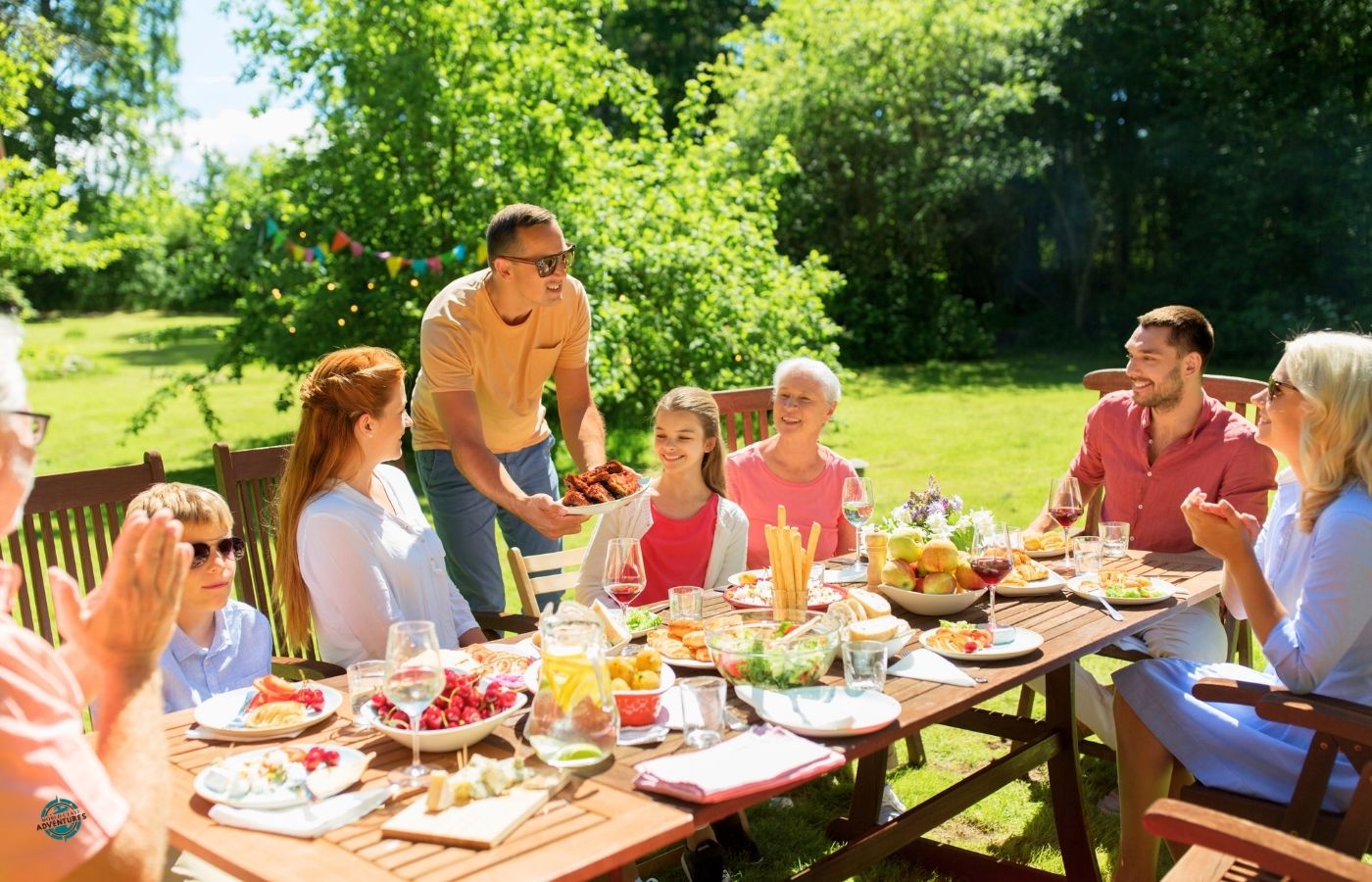
If you’ve been thinking about bringing your family together for something like this, the right trip, planned well, can become one of the most important things you ever do together.
You can contact me here, or browse my family travel options to start getting a feel for what appeals. And if you’d like to read more about how I approach travel planning, my articles on responsible travel and adventures for all ages might be useful next steps.
As a travel agent I have 30 years of adventure travel experience, and I have visited around 80 countries myself, so my advice comes from experience and not from a brochure.
There is a belief that travel agents cost more. Booking with me does not. Many suppliers charge the same price whether you book direct or through me, and others sell to the trade only, on contracts with competitive pricing. Either way you pay no more for having me plan and book the trip, and your booking carries ABTA and ATOL protection where stated on your booking. You can read more in why book with me.
Call or WhatsApp 0117 452 1159 or email bridget@worldclassadventures.co.uk